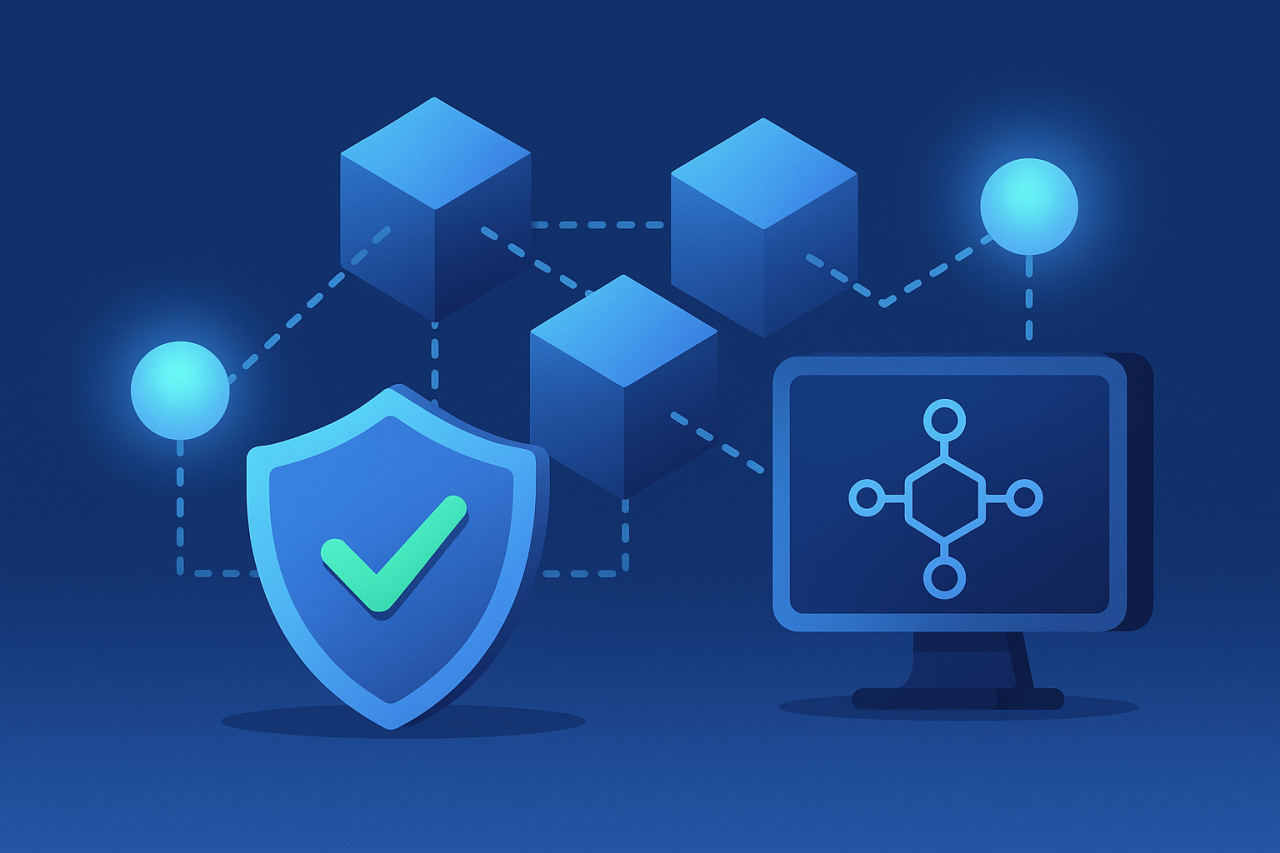
Validator nodes play a critical role in the operation and security of blockchain networks, particularly in proof-of-stake (PoS) and delegated proof-of-stake (DPoS) consensus mechanisms. Here's an overview of their role:
8500 Hits

Validator nodes play a critical role in the operation and security of blockchain networks, particularly in proof-of-stake (PoS) and delegated proof-of-stake (DPoS) consensus mechanisms. Here's an overview of their role:
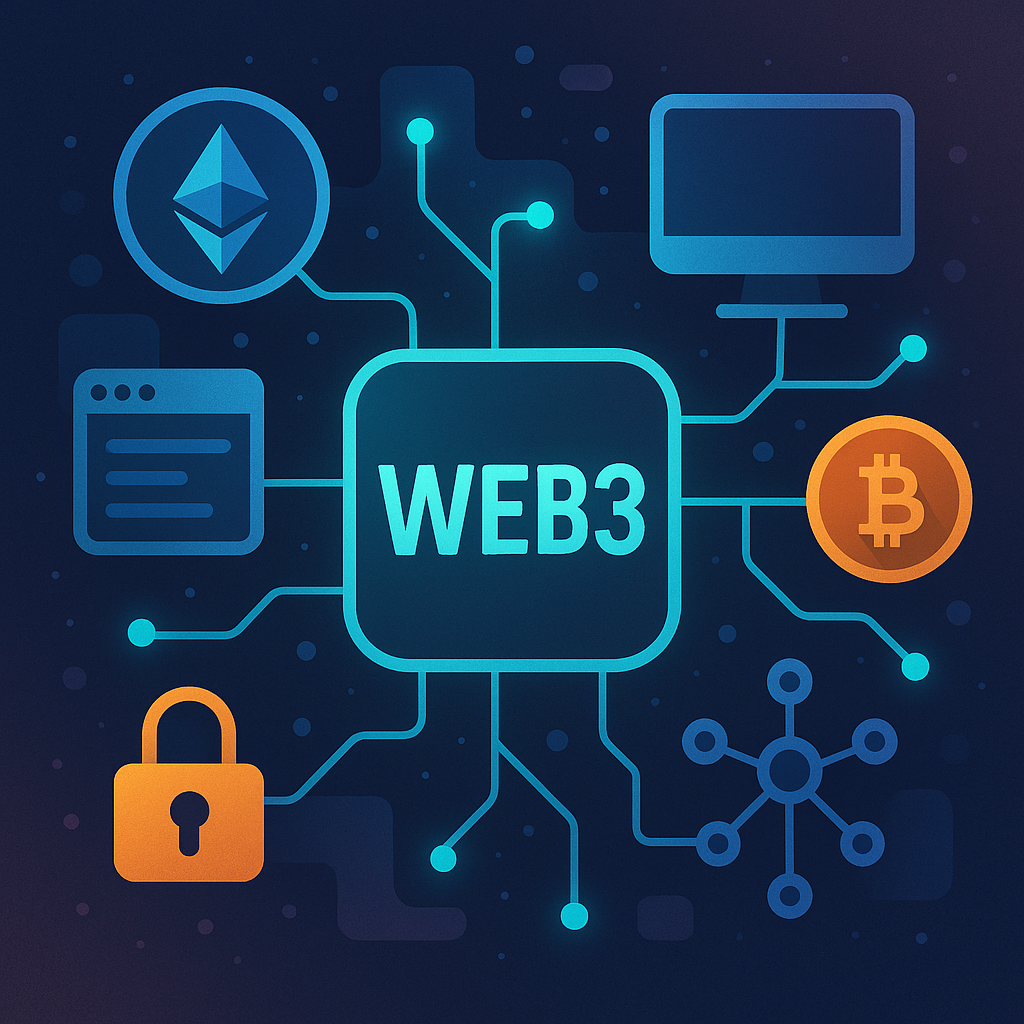
Web3 represents the vision of a decentralized and user-centric internet where individuals have greater control over their data, identity, and online interactions.
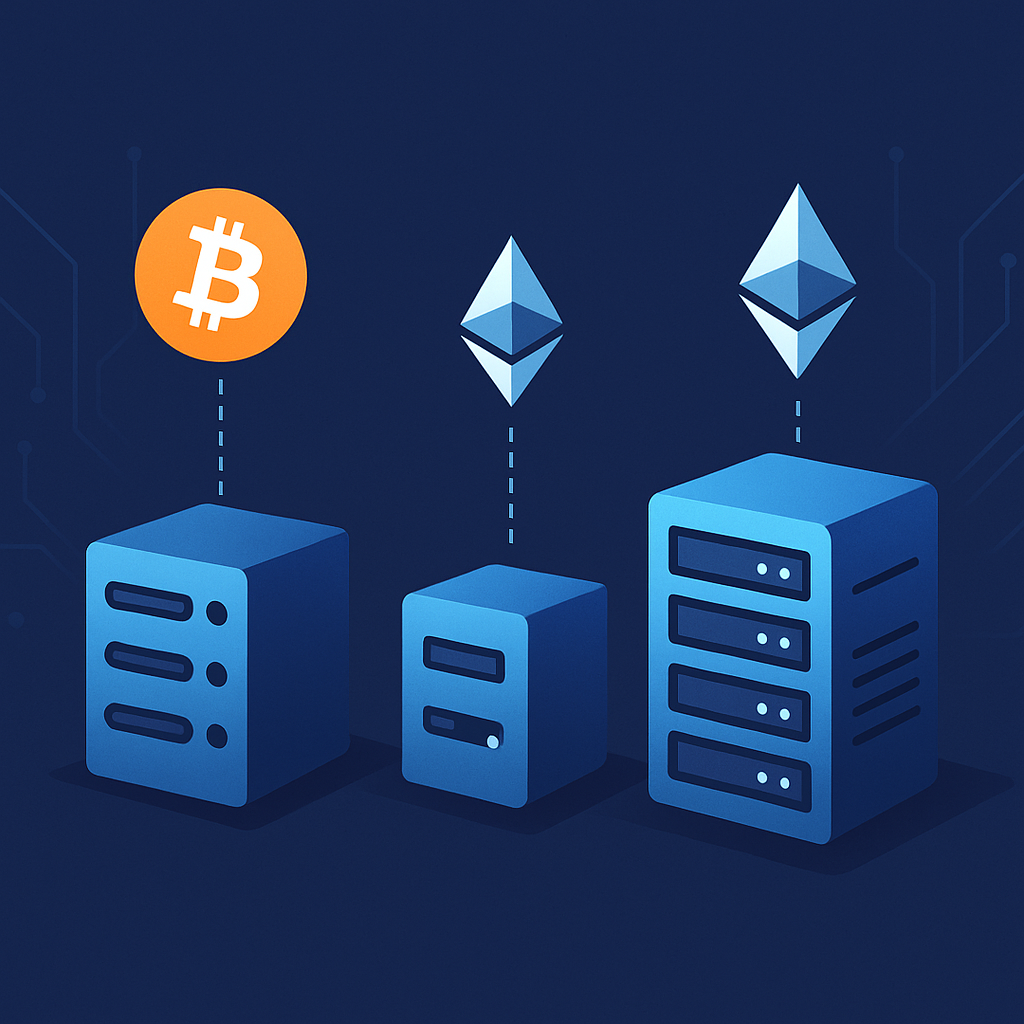
Node types play distinct roles in supporting and maintaining the operations of blockchain networks. Here's an overview of full nodes, light nodes, and masternodes, along with their respective functions:
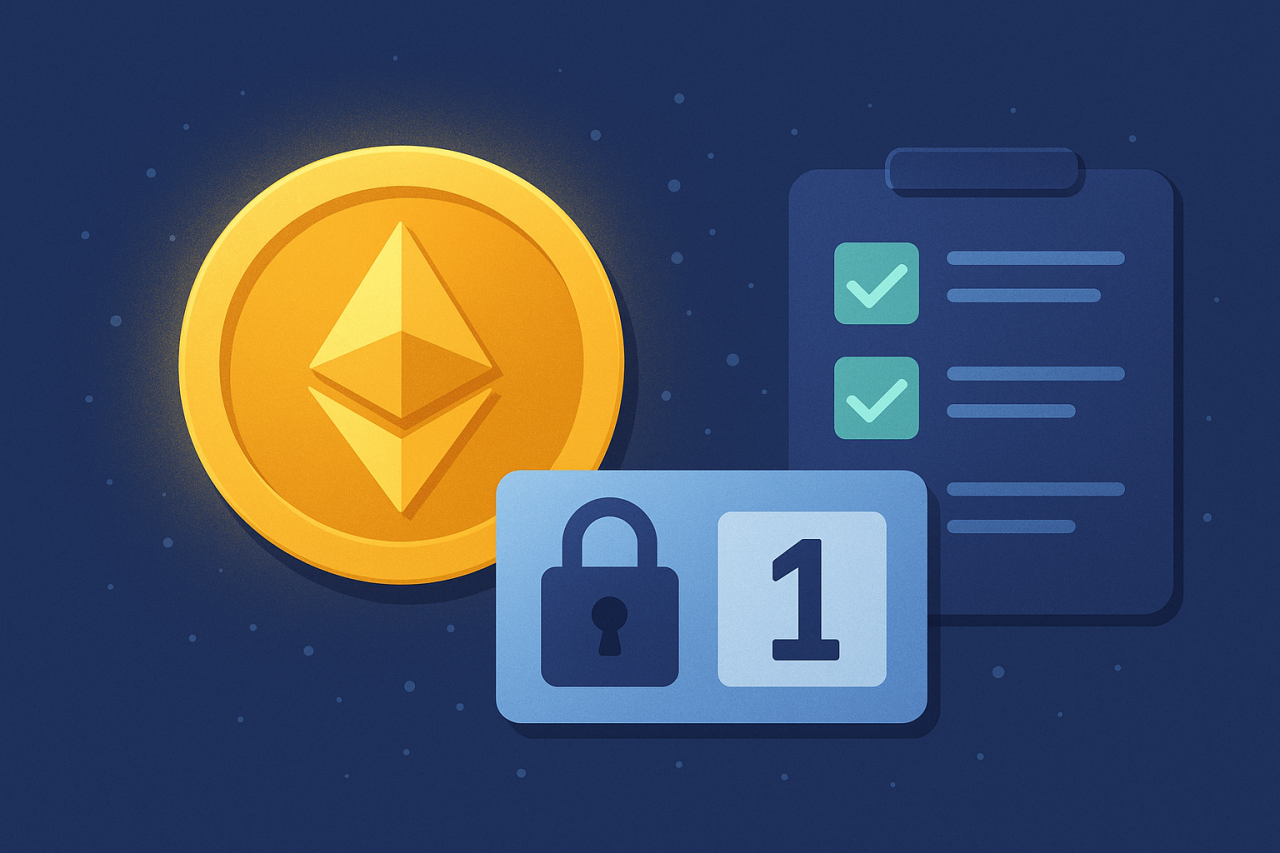
In the context of crypto projects, whitelists are lists of individuals or entities granted exclusive access or privileges to participate in certain activities, such as token sales, airdrops, or private sales.

Yield optimization in DeFi involves strategies like staking, liquidity providing, yield farming, flash loans, AMMs, and yield aggregators. These strategies help maximize returns and minimize risks for investors in the decentralized finance space.
Liquidity mining, also known as yield farming, is a mechanism used in decentralized finance (DeFi) protocols to incentivize users to provide liquidity to liquidity pools. Liquidity mining allows users to earn rewards, typically in the form of additional tokens or transaction fees, for supplying their cryptocurrency assets to liquidity pools on decentralized exchanges (DEXs) or lending platforms. Here's how liquidity mining works and its role in the DeFi ecosystem:
Key management is crucial for maintaining the security of cryptocurrency assets and ensuring protection against unauthorized access, theft, and loss. Effective key management practices involve securely generating, storing, and using cryptographic keys, including private keys, public keys, and seed phrases. Here are some best practices for crypto security key management:
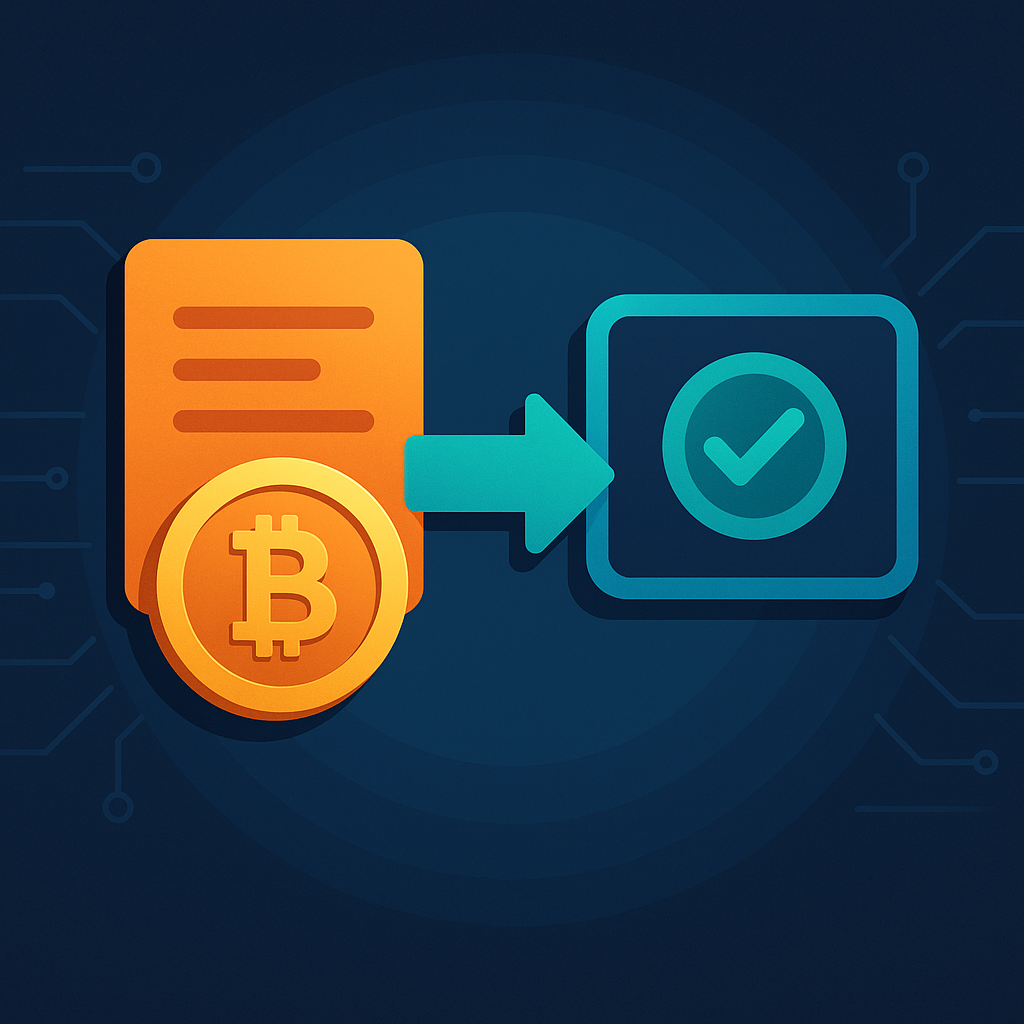
Zero-confirmation transactions are fast but risky due to lack of confirmation by miners. Merchants can use strategies to mitigate security risks, like monitoring for double-spending attacks and using fraud protection services. Its important to balance speed with security measures to prevent potential fraud.

Cross-border crypto regulations present significant challenges due to the global and decentralized nature of cryptocurrency networks. Jurisdictional differences in regulatory frameworks, legal interpretations, and enforcement mechanisms create complexities for individuals, businesses, and governments operating in the cryptocurrency ecosystem. Here are some key jurisdictional challenges and considerations in cross-border crypto regulations:

Inflation in cryptocurrencies refers to the increase in the supply of a cryptocurrency over time, which can have implications for its value, purchasing power, and economic stability. Unlike traditional fiat currencies, where inflation is typically controlled by central banks through monetary policy, cryptocurrencies often have predetermined supply schedules and inflation mechanisms built into their protocols. Here's how inflation in cryptocurrencies is managed and its impact on supply and value:
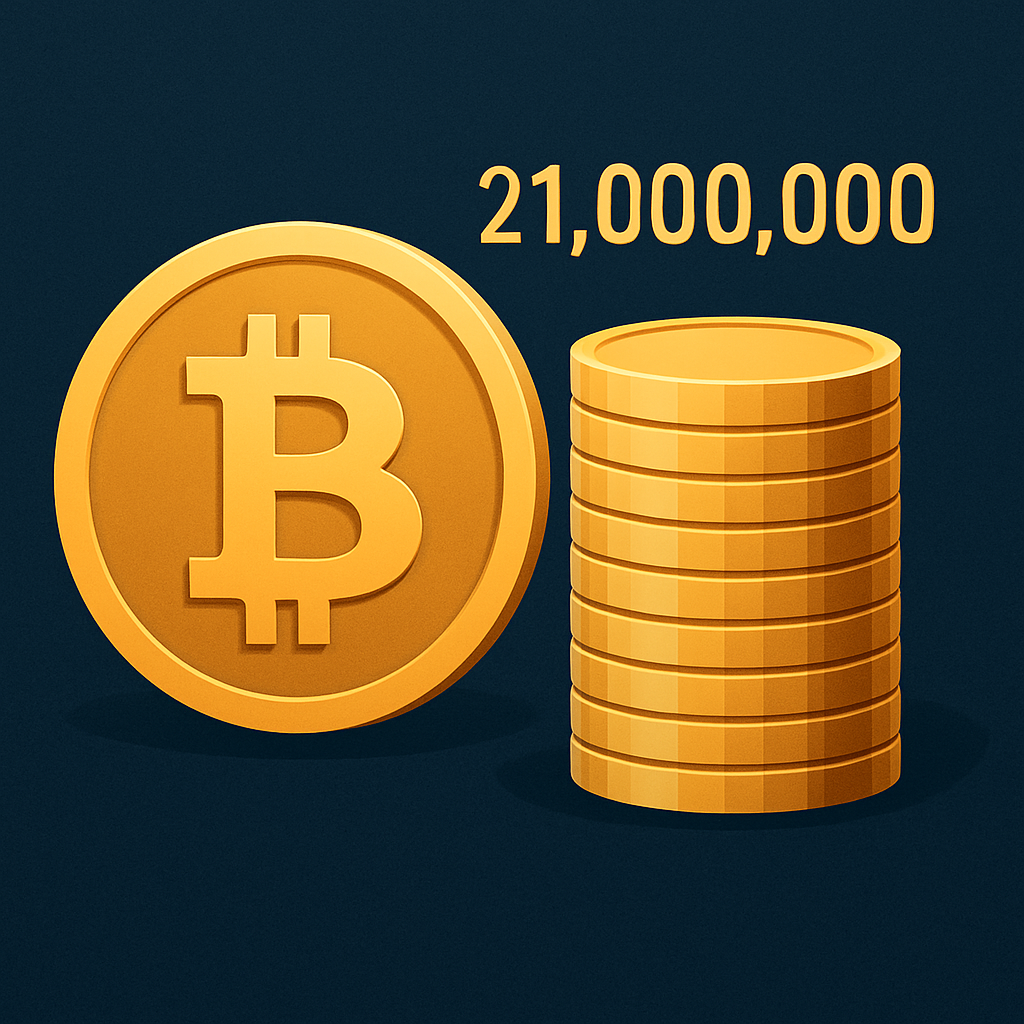
Bitcoin has a limited supply of 21 million coins, set by its creator, Satoshi Nakamoto, to prevent inflation. This scarcity, similar to precious metals like gold, adds value as demand grows. The fixed supply drives price appreciation as investors anticipate increased demand. Ultimately, Bitcoins capped supply distinguishes it from traditional currencies and contributes to its popularity and value.
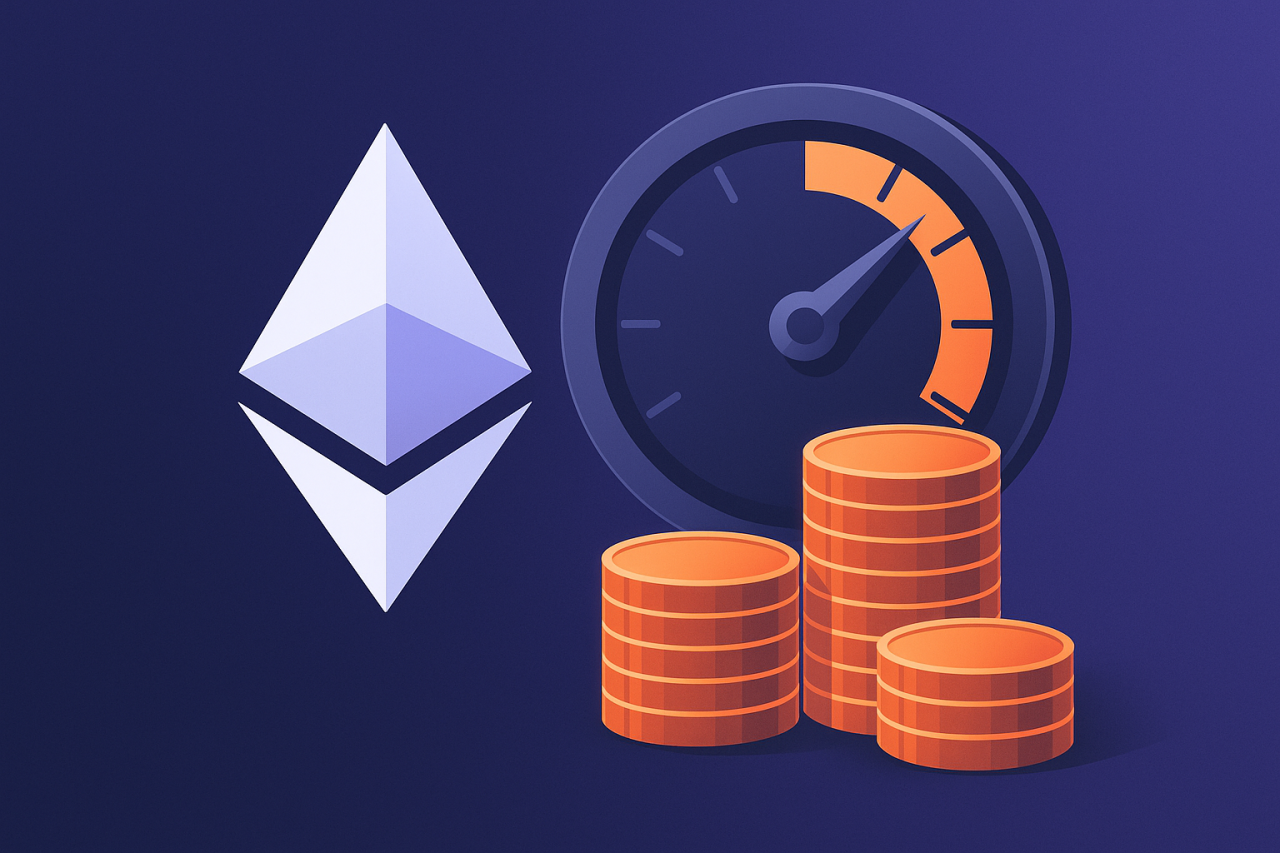
Gwei is a unit used in Ethereum to measure gas prices for transactions and smart contracts. Users can set their own gas prices, with higher prices leading to faster processing. Monitoring gas prices using tools and websites is crucial for optimizing transaction efficiency and cost.

HODL is a strategy that emphasizes holding onto investments for the long term despite market fluctuations. It requires patience, discipline, and a focus on long-term growth. While HODLing can be a powerful wealth-building strategy, it is important to evaluate your risk tolerance and financial goals before deciding to HODL or sell an investment. By staying committed to your investments and embracing a long-term perspective, you may potentially achieve greater success and reach your financial goals over time.
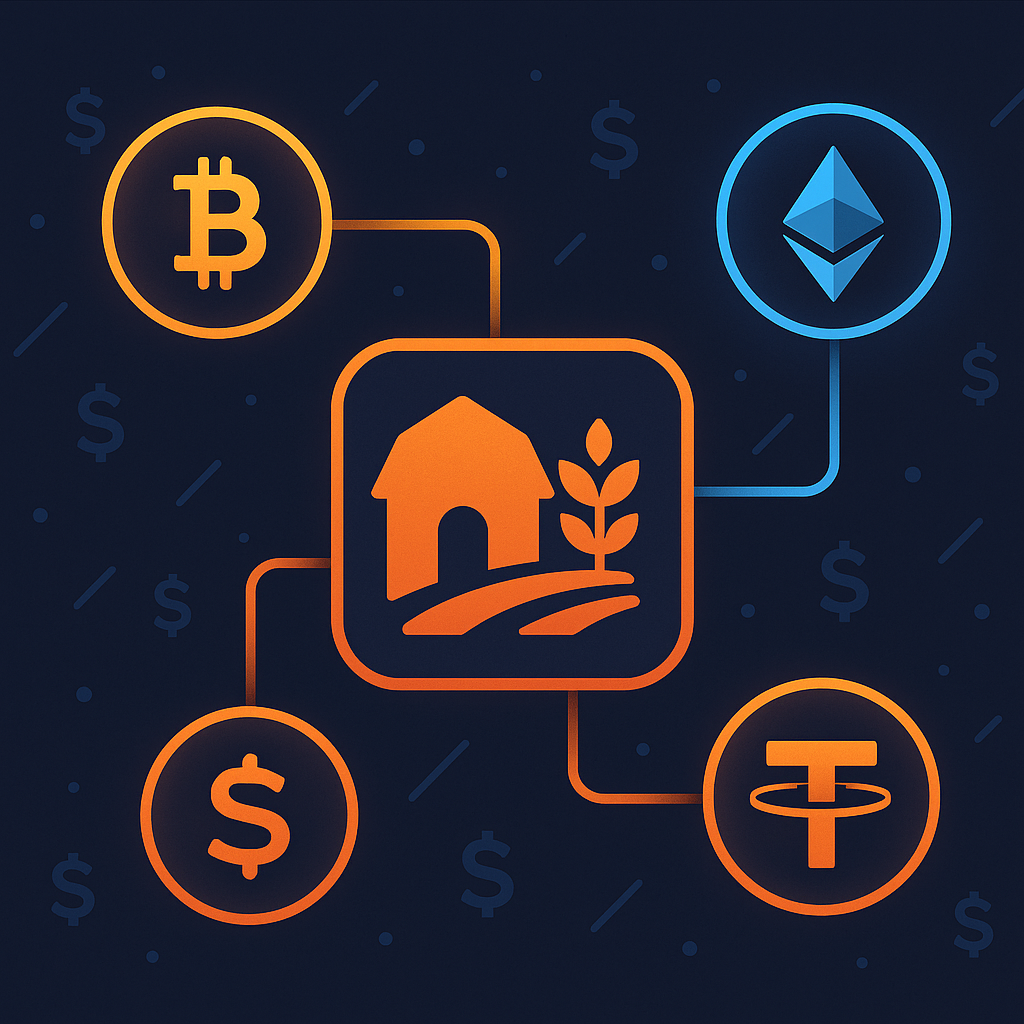
Initial Farm Offerings (IFOs) are a decentralized financing method where projects offer tokens to investors in exchange for liquidity on decentralized exchanges like Uniswap. IFOs are a decentralized and transparent alternative to ICOs and IEOs, providing a democratic way for projects to raise funds and distribute tokens. They are driving growth in the DeFi ecosystem, offering new opportunities for projects and investors.

The Bitcoin halving is a significant event in the cryptocurrency's supply schedule, where the rate of new Bitcoin issuance is cut in half approximately every four years. This process is programmed into the Bitcoin protocol and has a profound impact on the network's economics, miner incentives, and price dynamics. Here's an overview of the Bitcoin halving and its implications:
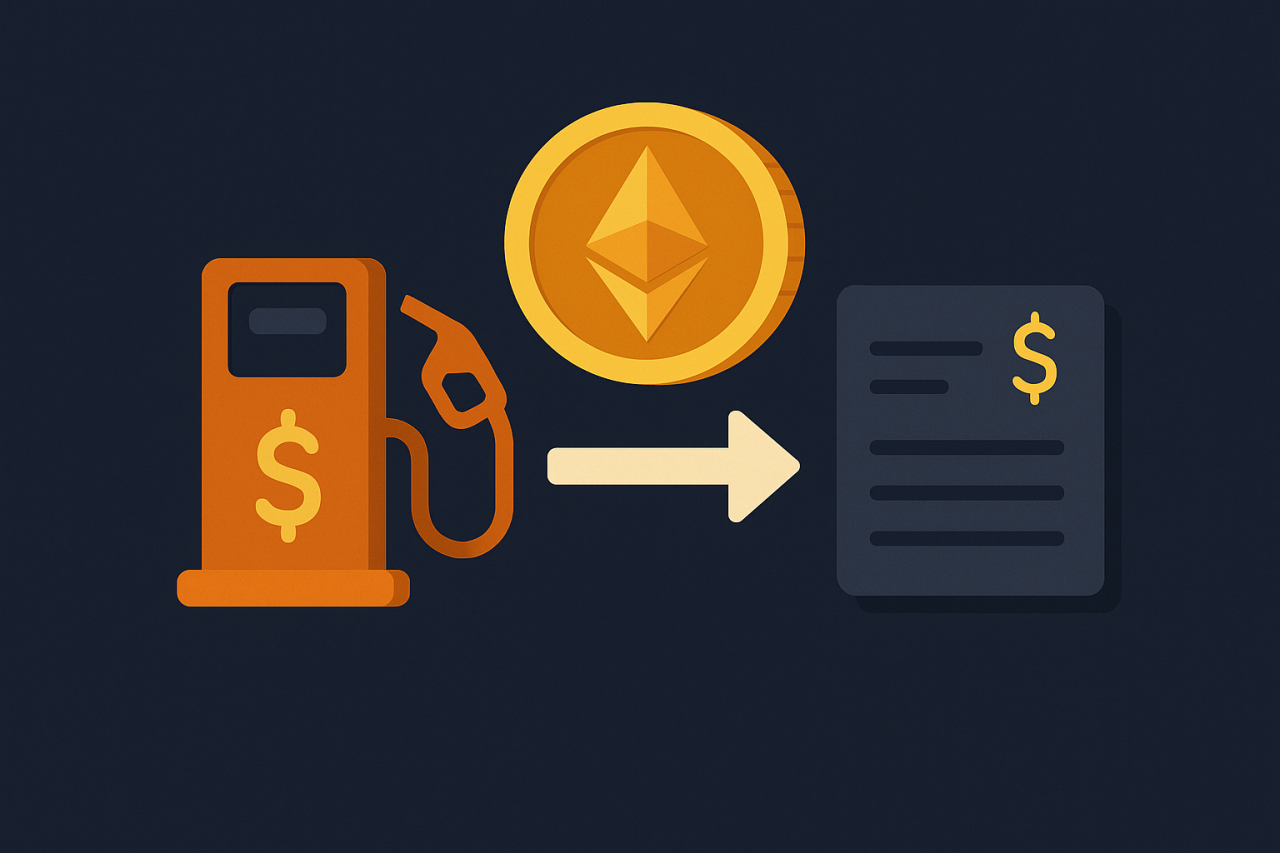
Gas fees are transaction fees paid by users of blockchain networks, particularly Ethereum, to compensate miners or validators for processing and validating transactions. Gas fees serve as a mechanism to prioritize transactions and allocate network resources efficiently. Here's a breakdown of gas fees and how they work:

Zero-knowledge proofs (ZKPs) are cryptographic techniques used to prove the validity of a statement or assertion without revealing any additional information beyond the truth of the statement itself. They are instrumental in ensuring privacy and confidentiality in transactions, especially in blockchain and cryptocurrency systems.

Zero-Knowledge Succinct Non-Interactive Argument of Knowledge (zk-SNARKs) is a cryptographic technique used to enhance privacy and confidentiality in blockchain transactions.

Trading bots are automated software programs that execute trades on behalf of traders based on predefined trading strategies. Here's an overview of trading bots and how they can automate your trading strategy:

Taxation in the realm of cryptocurrency is a complex and evolving landscape. Here's what you need to know: Classification, Tax Events, Reporting, Tax Planning, Regulatory Environment.