
Security tokens represent a significant innovation in the world of investment, offering a new era of opportunities and benefits for both investors and issuers. Here's an overview of security tokens and their impact on the investment landscape:
Scalability is a critical issue in blockchain technology, referring to the ability of a blockchain network to handle increasing transaction volumes and growing user demand without compromising performance, speed, or efficiency. Here's an overview of the challenges associated with scalability in blockchain and some solutions to address them:
There are several research tools available for accessing crypto data and analytics, catering to different needs ranging from market analysis to blockchain research. Here's an overview of some popular crypto research tools:
Trading pairs are a fundamental concept in financial markets, including cryptocurrency exchanges, where assets are traded against each other. Here's an overview of trading pairs and how they work:
Enhancing user experience (UX) and accessibility in cryptocurrency is crucial for promoting adoption and making blockchain technology more inclusive. Here are some ways to improve UX and accessibility in the crypto space:
Volatility refers to the degree of variation or fluctuation in the price of an asset over time. In the context of cryptocurrency markets, volatility is a common characteristic due to various factors inherent to the nature of digital currencies and the dynamics of their markets.
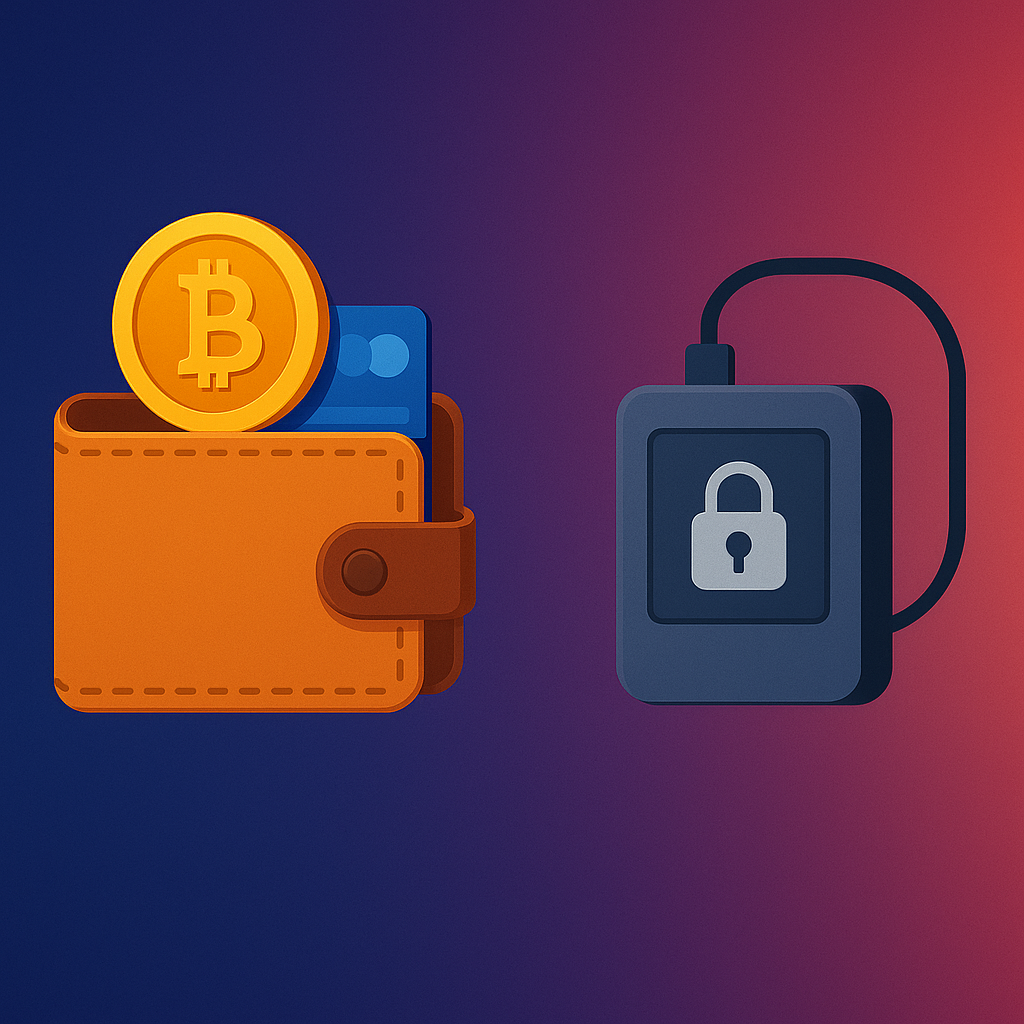
Hot and cold storage are two methods used to store cryptocurrencies, each with its own advantages and security considerations.
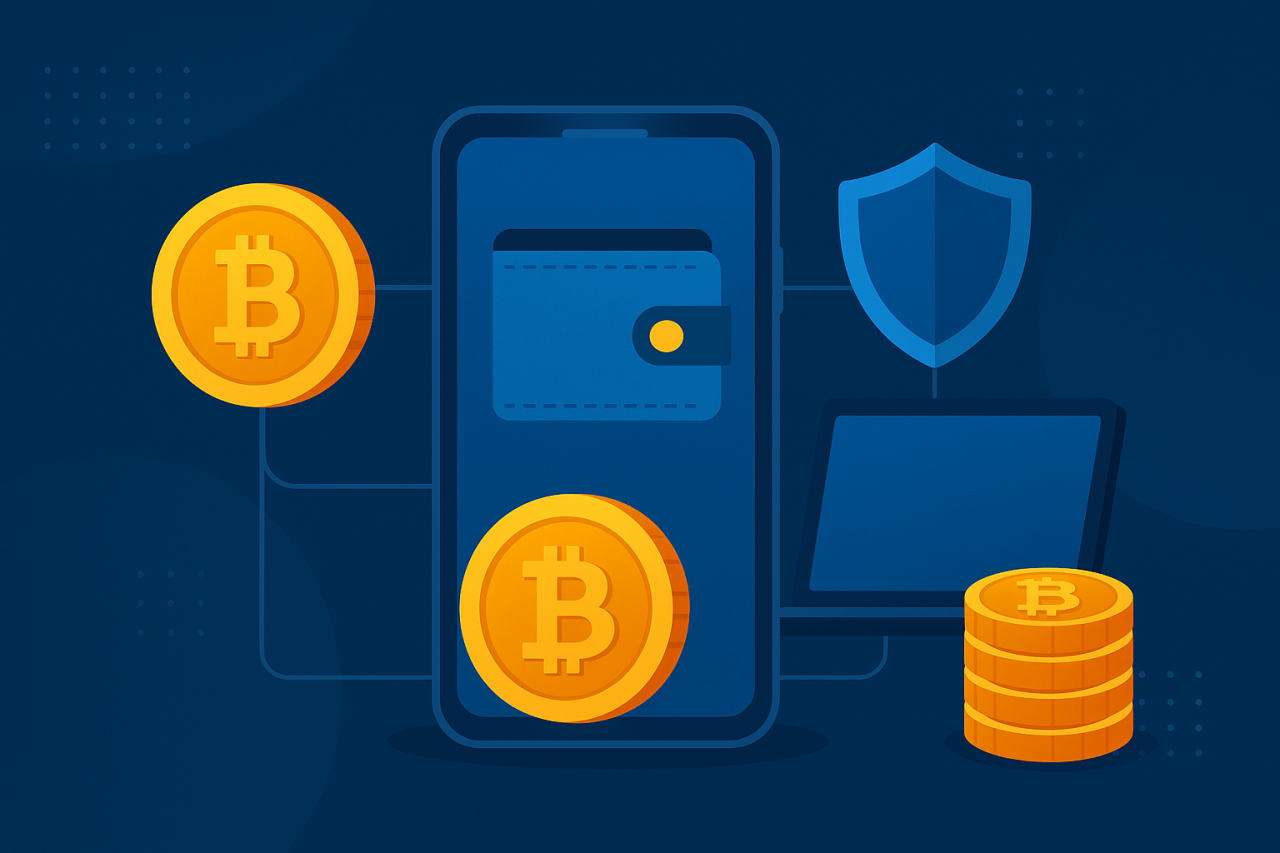
Managing digital assets through wallets involves various tasks such as storing, sending, receiving, and securing cryptocurrencies.
Regulations surrounding cryptocurrencies and blockchain technology vary significantly from one country to another, reflecting diverse legal, economic, and political considerations. Here's a global perspective on cryptocurrency regulations by country:
KYC, which stands for "Know Your Customer," refers to the process of verifying the identity of customers or users to comply with regulatory requirements and mitigate the risk of money laundering, terrorist financing, and other illicit activities in the cryptocurrency industry. KYC procedures involve collecting and verifying personal information from users, such as their full name, address, date of birth, and government-issued identification documents. Here's a detailed overview of KYC in the context of cryptocurrency:
Careers in blockchain are diverse and encompass a wide range of roles across various industries, including technology, finance, supply chain, healthcare, and more. As blockchain technology continues to evolve and gain adoption, demand for skilled professionals in this field is on the rise. Here are some popular career paths and roles in the blockchain job market:
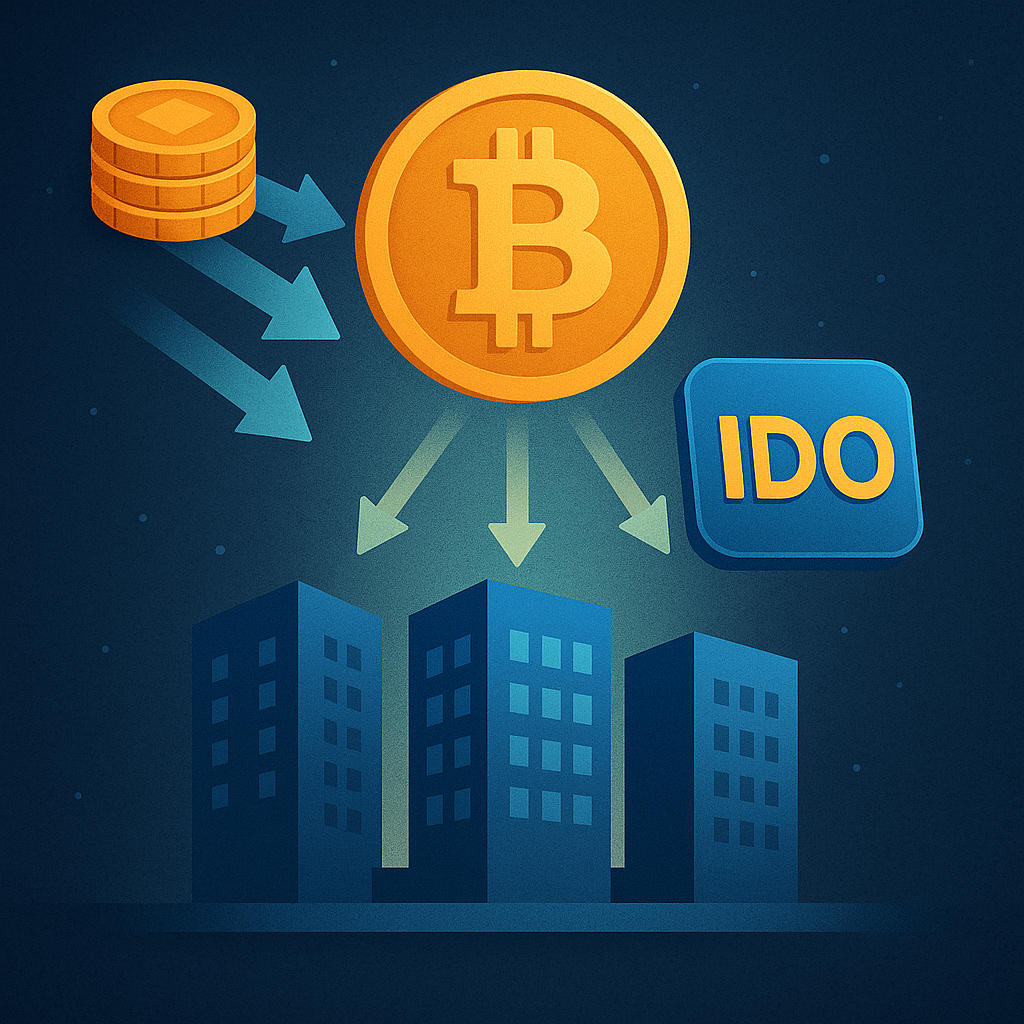
Initial DEX Offerings (IDOs) are a fundraising model used in the decentralized finance (DeFi) space, where projects launch tokens directly on decentralized exchanges (DEXs) instead of traditional centralized exchanges. IDOs enable projects to raise capital and distribute tokens to a wide audience of investors while leveraging the decentralized nature of blockchain networks. Here's an overview of IDOs and their role in the cryptocurrency ecosystem:
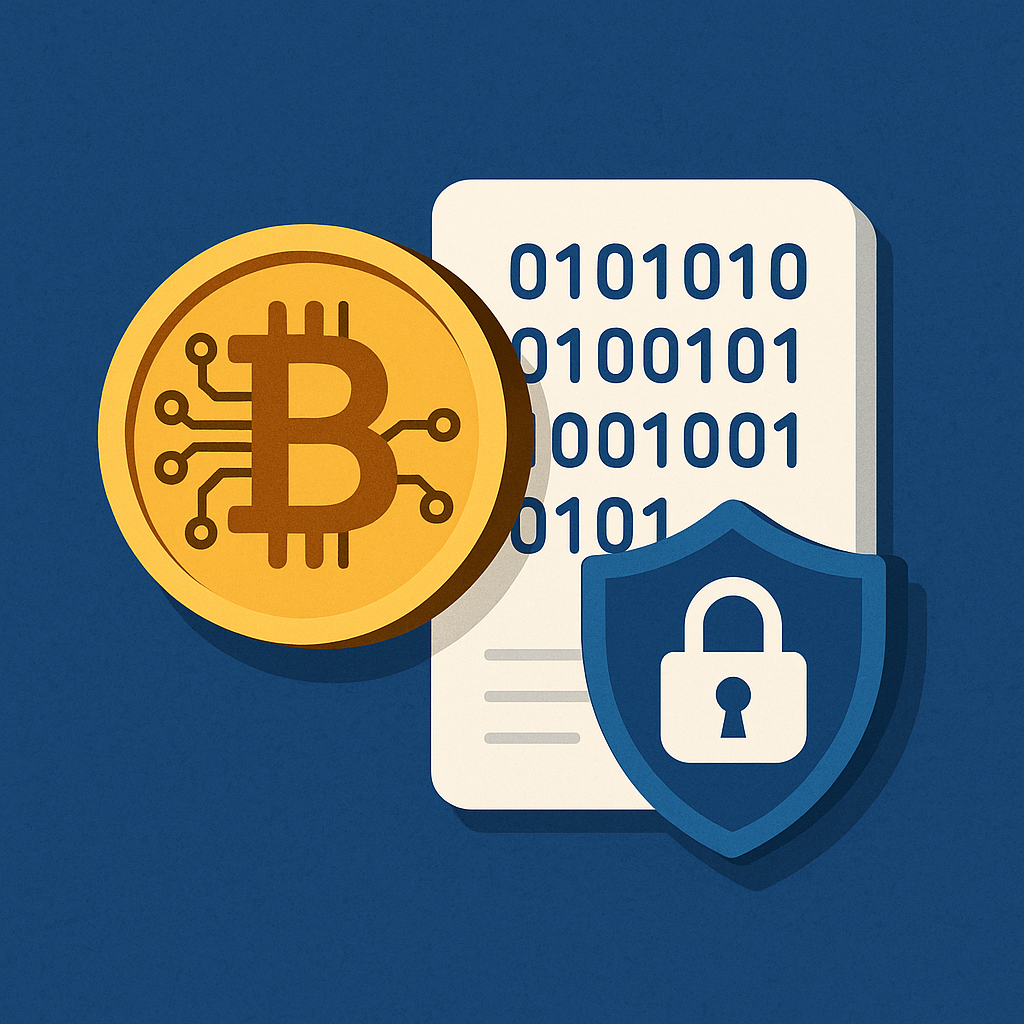
Hash functions are cryptographic algorithms that generate fixed-size output values, known as hash values or hash digests, from input data of arbitrary size. These hash values serve various purposes in computer science and cryptography, including ensuring data integrity, data authentication, and digital signatures. Here's how hash functions contribute to ensuring data integrity:
Patents play a significant role in the field of cryptocurrency and blockchain technology, providing protection for innovative ideas, inventions, and technological advancements. Here's an overview of patents in the context of innovation and intellectual property (IP) in the crypto space:
Futures trading involves buying or selling contracts to purchase or sell an asset at a predetermined price on a future date. It's popular in financial markets for both hedging and speculative purposes. Here are the benefits and risks associated with futures trading:
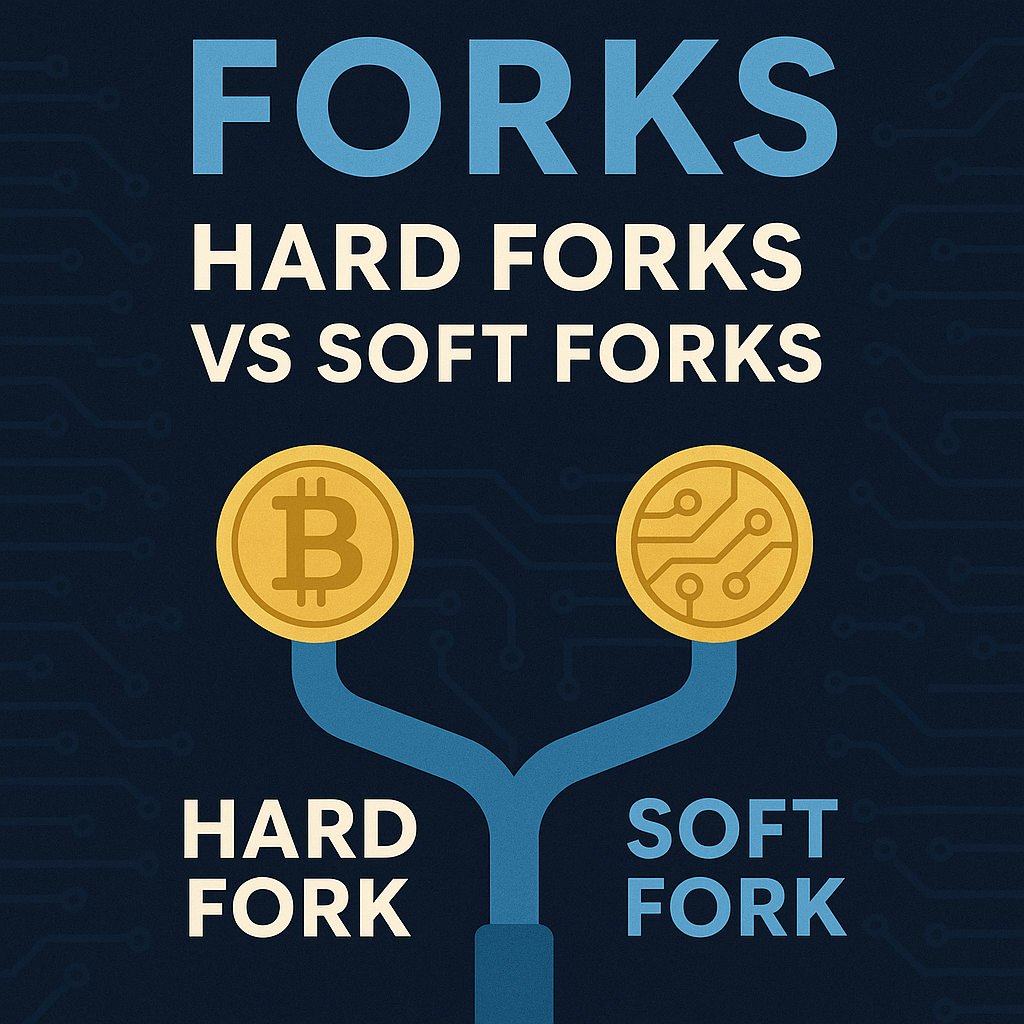
Forks are changes or updates to the underlying protocol of a blockchain network, resulting in the divergence of the blockchain into two or more separate paths. Hard forks and soft forks are two types of forks that differ in their approach to protocol upgrades and their impact on the network's consensus rules. Here's a comparison between hard forks and soft forks:
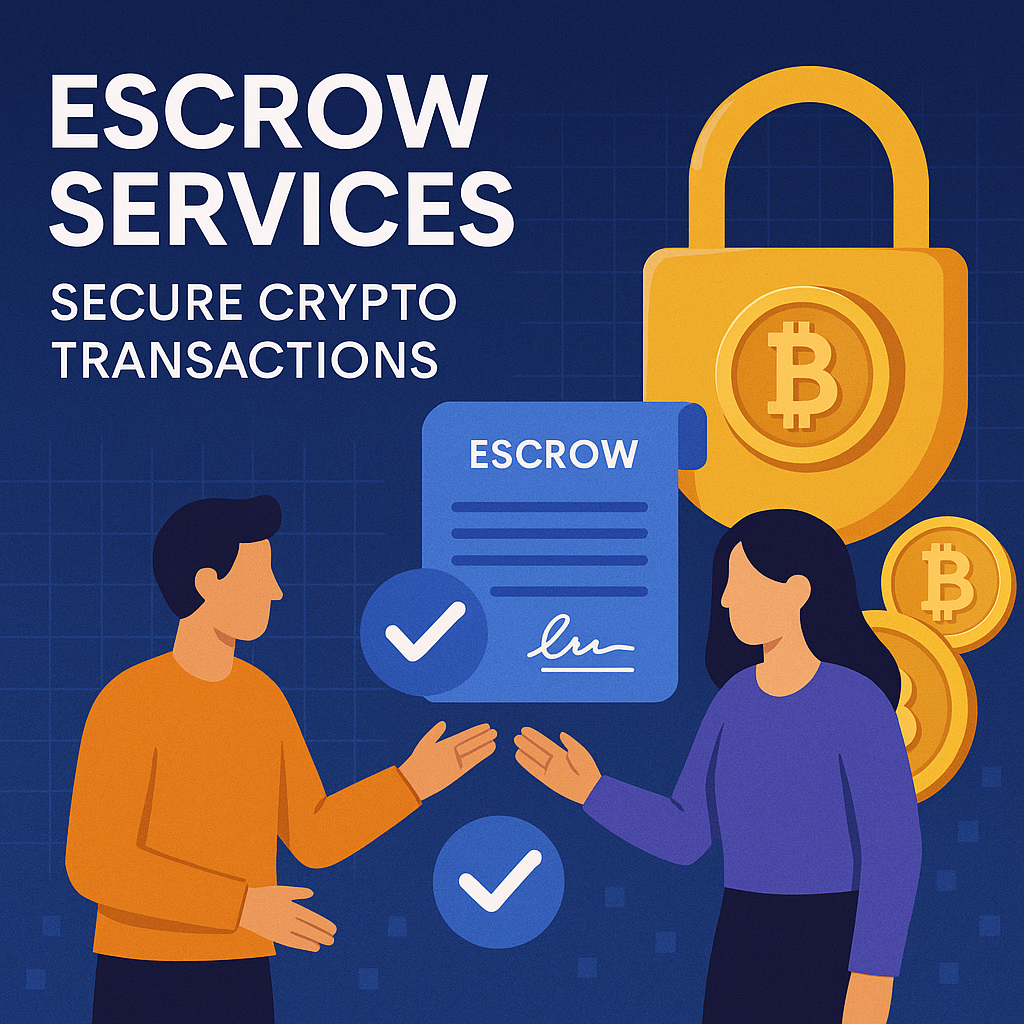
Escrow services play a vital role in facilitating secure cryptocurrency transactions by acting as trusted intermediaries that hold funds or assets in escrow until predefined conditions are met. Here's how escrow services work in the context of crypto transactions:
Crypto conferences provide valuable opportunities for networking, learning about the latest trends, and engaging with key stakeholders in the cryptocurrency and blockchain industry. Here are some notable crypto conferences and events to watch:
Tracking crypto adoption metrics is essential for understanding the growth and evolution of the cryptocurrency ecosystem. Here are some key metrics commonly used to gauge crypto adoption:
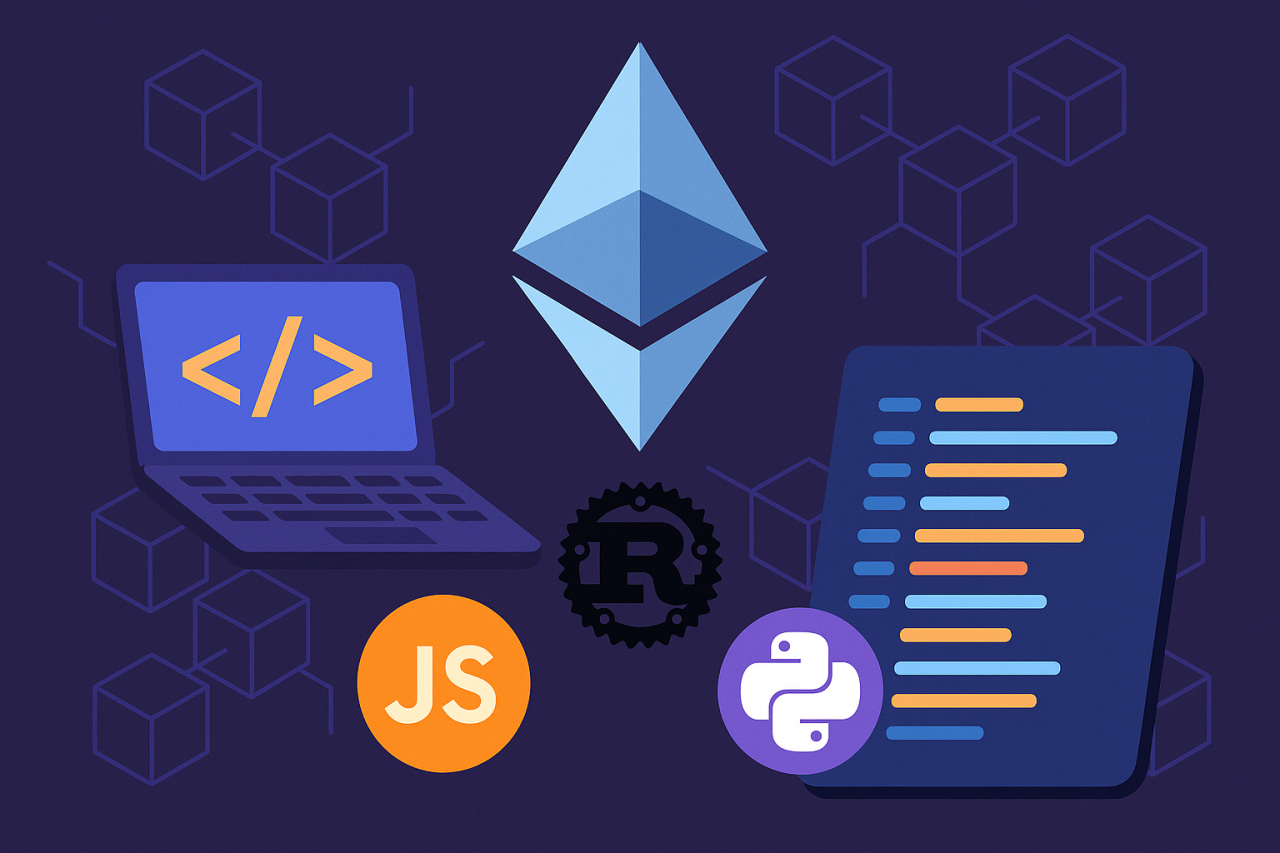
Blockchain technology has gained significant traction across various industries, and the development of blockchain applications requires proficiency in specific programming languages. Here’s a comprehensive guide to the key programming languages used in blockchain development: