
Decentralized Autonomous Organizations (DAOs): The Future of Crypto Governance

Decentralized Autonomous Organizations (DAOs): The Future of Crypto Governance

Decentralized Autonomous Organizations (DAOs) are a type of organization that operates through smart contracts and is governed by its members, who collectively make decisions about the organization's direction and activities. DAOs leverage blockchain technology to create transparent, decentralized, and self-governing entities without the need for centralized control or intermediaries. Here's an overview of DAOs:

  589 Hits

Crypto Airdrops: Free Tokens Explained

Crypto Airdrops: Free Tokens Explained

Crypto airdrops refer to the distribution of free tokens or cryptocurrencies to existing holders of a particular blockchain asset or to participants in a specific community. Airdrops are typically used as a marketing strategy by blockchain projects to increase awareness, incentivize participation, and distribute tokens to a wider audience. Here's how crypto airdrops work:

  622 Hits

Consensus Algorithms: Ensuring Blockchain Integrity

Consensus Algorithms: Ensuring Blockchain Integrity

Consensus algorithms are crucial in ensuring the integrity and security of blockchain networks. They facilitate agreement among distributed nodes on the validity of transactions and the state of the blockchain. Here are some key consensus algorithms used in blockchain technology:

  837 Hits

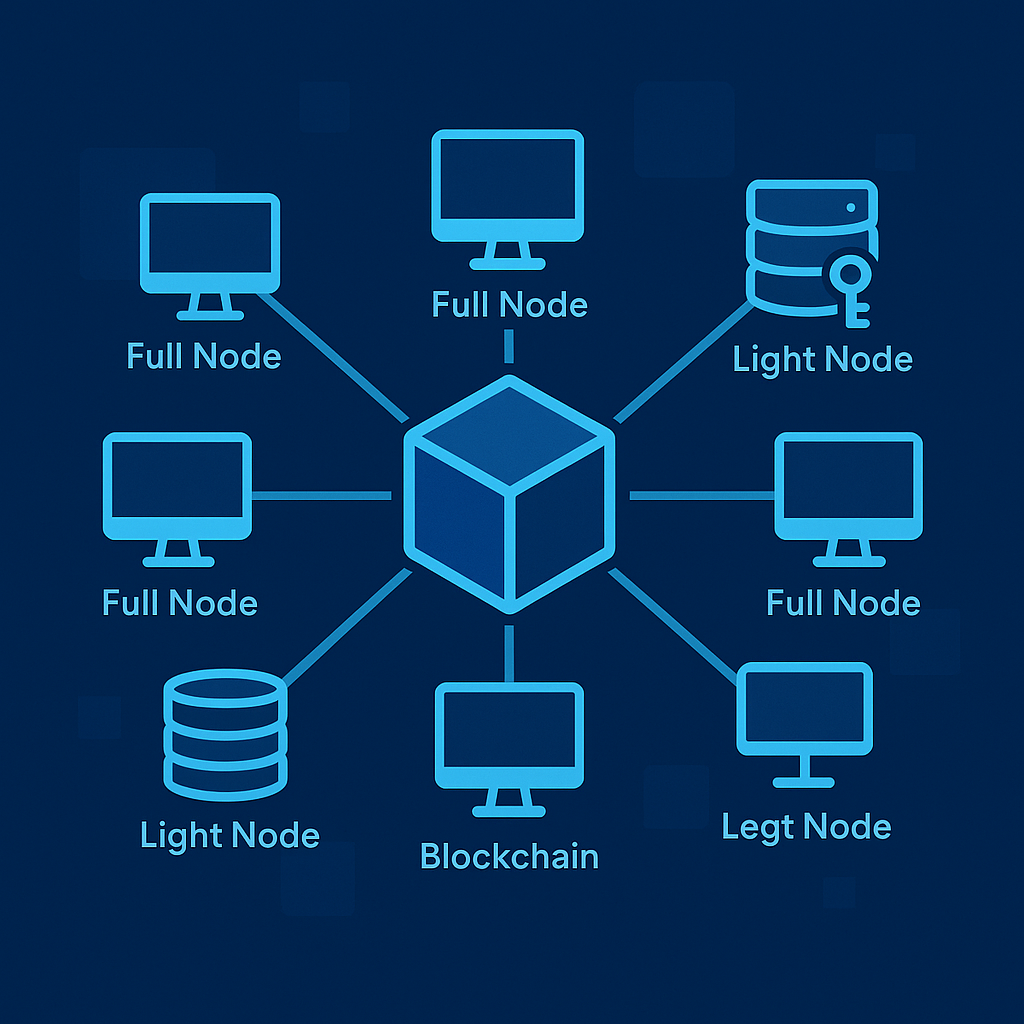
Blockchain Nodes: Types and Functions

Blockchain Nodes: Types and Functions

Blockchain nodes are fundamental components of any blockchain network, responsible for maintaining the integrity and functionality of the decentralized ledger. Nodes perform various tasks, such as validating transactions, maintaining the blockchain's data, and participating in the consensus process. Here’s a detailed overview of the types of blockchain nodes and their respective functions:

  753 Hits

Private Keys and Public Keys: Understanding Encryption in Cryptocurrency

Private Keys and Public Keys: Understanding Encryption in Cryptocurrency

Private keys and public keys are fundamental components of asymmetric encryption, also known as public-key cryptography. Here's an overview of private keys, public keys, and their role in encryption:

  626 Hits

Tokenomics: The Economics of Crypto Tokens

Tokenomics: The Economics of Crypto Tokens

Tokenomics refers to the economics of cryptocurrency tokens, encompassing their design, distribution, supply, demand, and utility within a blockchain ecosystem. Here's an overview of tokenomics and its key components:

  707 Hits

Smart Contracts: Self-Executing Agreements in Cryptocurrency

Smart Contracts: Self-Executing Agreements in Cryptocurrency

Smart contracts are self-executing contracts with the terms of the agreement directly written into code. They automatically execute and enforce the terms of the contract when predefined conditions are met, without the need for intermediaries or manual intervention. Here's an overview of smart contracts and their key features:

  632 Hits

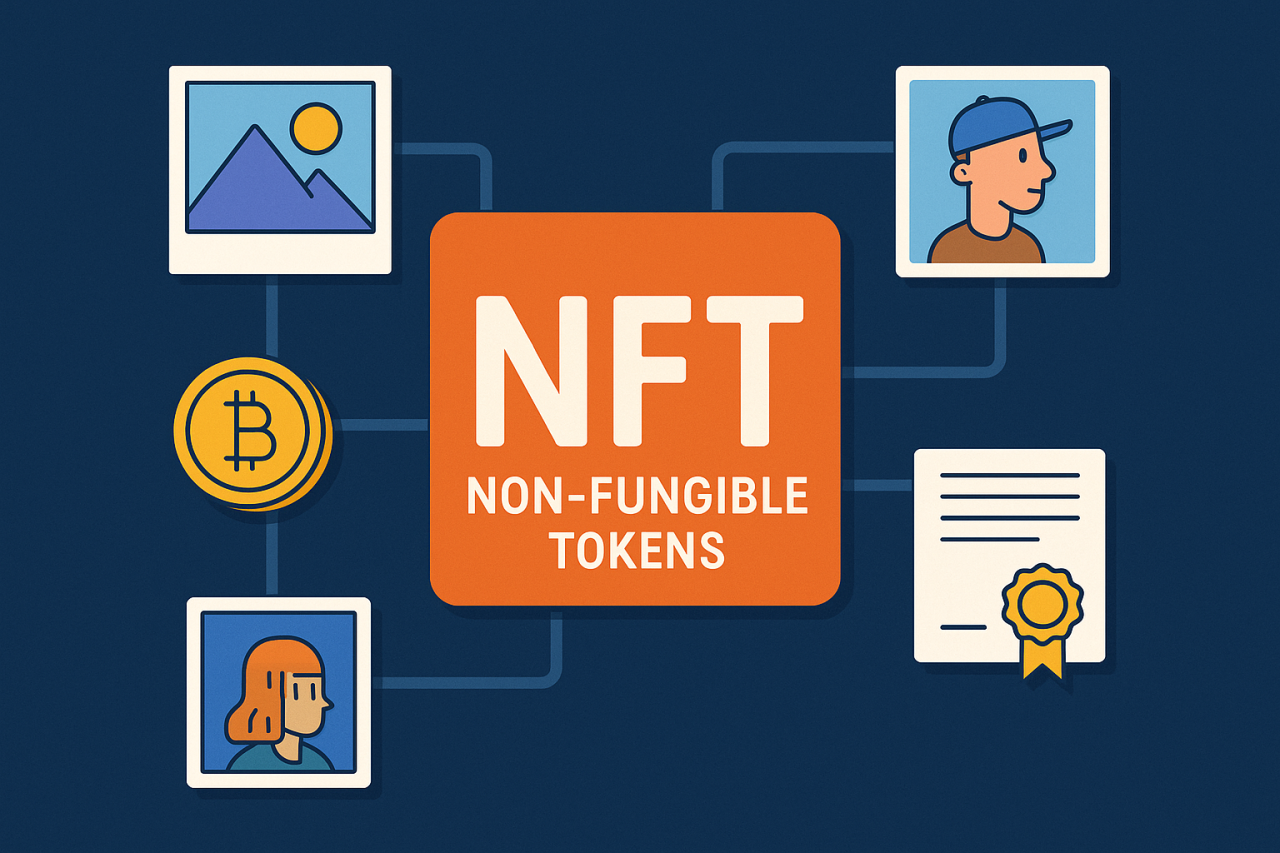
NFTs: Non-Fungible Tokens Explained

NFTs: Non-Fungible Tokens Explained

Non-fungible tokens (NFTs) are a type of digital asset that represents ownership or proof of authenticity of unique items or digital content on a blockchain. Unlike cryptocurrencies such as Bitcoin or Ethereum, which are fungible and can be exchanged on a one-to-one basis, NFTs are indivisible and unique, making them ideal for representing scarce or one-of-a-kind digital assets. Here's an explanation of NFTs and how they work:

  588 Hits

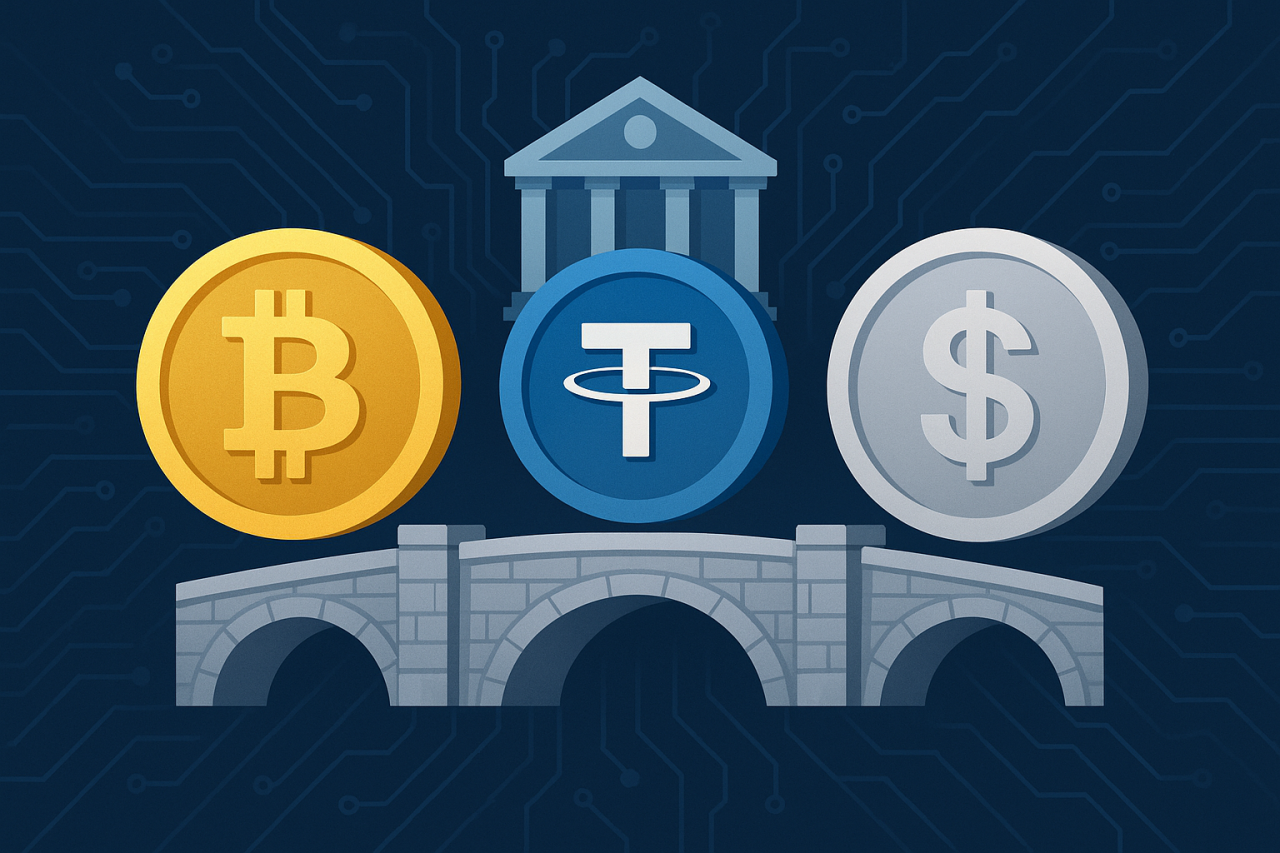
Stablecoins: Bridging Crypto and Fiat

Stablecoins: Bridging Crypto and Fiat

Stablecoins are a type of cryptocurrency designed to maintain a stable value by pegging their price to a fiat currency, commodity, or algorithmic mechanism. They serve as a bridge between the volatile world of cryptocurrencies and the stability of traditional fiat currencies. Here's an overview of stablecoins and their role in bridging crypto and fiat:

  657 Hits

ICO: Initial Coin Offering Guide

ICO: Initial Coin Offering Guide

An Initial Coin Offering (ICO) is a fundraising method used by cryptocurrency projects to raise capital by issuing digital tokens to investors in exchange for cryptocurrency, typically Bitcoin (BTC) or Ethereum (ETH). ICOs gained popularity during the cryptocurrency boom of 2017 but have since evolved and faced regulatory scrutiny in many jurisdictions. Here's a guide to understanding ICOs:

  643 Hits

DeFi: Decentralized Finance Essentials

DeFi: Decentralized Finance Essentials

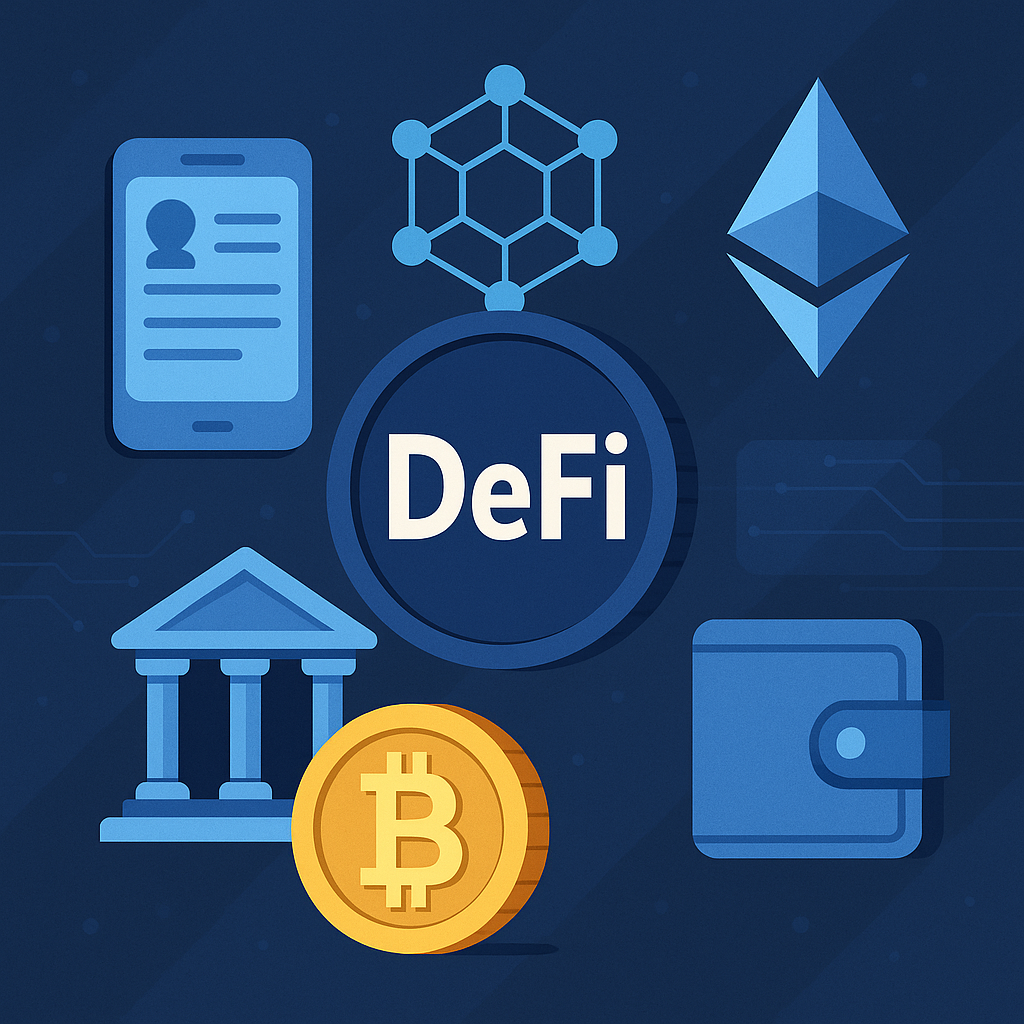
Decentralized Finance (DeFi) refers to an ecosystem of financial applications and services built on blockchain technology, primarily Ethereum, that aim to democratize and decentralize traditional financial systems. DeFi offers innovative solutions for lending, borrowing, trading, asset management, and other financial activities, bypassing intermediaries and enabling greater financial inclusion, transparency, and efficiency. Here are some essential components and concepts of DeFi:

  604 Hits

Proof of Work vs Proof of Stake: Consensus Mechanisms in Cryptocurrency

Proof of Work vs Proof of Stake: Consensus Mechanisms in Cryptocurrency

Proof of Work (PoW) and Proof of Stake (PoS) are two distinct consensus mechanisms used in blockchain networks to achieve agreement on the validity of transactions and the addition of new blocks to the blockchain. Here's an overview of PoW and PoS consensus mechanisms:

  603 Hits

Altcoins: Beyond Bitcoin

Altcoins: Beyond Bitcoin

Altcoins are alternative cryptocurrencies created as alternatives to Bitcoin. They address limitations like scalability and energy consumption. Popular examples include Ethereum and Litecoin. Investing in altcoins can be risky due to market volatility, so thorough research is important. They offer diverse investment opportunities beyond Bitcoin, but caution is advised due to the associated risks

  596 Hits

Mining Cryptocurrency: How It Works

Mining Cryptocurrency: How It Works

Cryptocurrency mining is the process of validating and recording transactions on a blockchain network, as well as creating new units of cryptocurrency through computational effort. Here's an overview of how cryptocurrency mining works:

  614 Hits

Blockchain Technology: The Backbone of Cryptocurrencies

Blockchain Technology: The Backbone of Cryptocurrencies

Blockchain technology is the foundational innovation that underpins cryptocurrencies like Bitcoin, Ethereum, and thousands of others. At its core, a blockchain is a decentralized, distributed ledger that records transactions across many computers in such a way that the registered transactions cannot be altered retroactively. This feature ensures the security and integrity of the data, making blockchain an ideal backbone for cryptocurrencies.

  1640 Hits

Ethereum Explained: Smart Contracts and DApps

Ethereum Explained: Smart Contracts and DApps

Ethereum is a blockchain platform that enables the development of decentralized applications (DApps) and smart contracts, which are self-executing contracts with predefined rules and conditions. Here's an overview of Ethereum, smart contracts, and DApps:

  620 Hits

Bitcoin Basics: Understanding the Pioneer Cryptocurrency

Bitcoin Basics: Understanding the Pioneer Cryptocurrency

Bitcoin, the first and most well-known cryptocurrency, has revolutionized the world of finance since its inception in 2009. Created by the pseudonymous developer Satoshi Nakamoto, Bitcoin offers a decentralized and peer-to-peer method of transferring value. Here's an overview of the fundamental concepts behind Bitcoin.

  624 Hits