

Digital signatures play a fundamental role in authenticating cryptocurrency transactions and ensuring the integrity and security of blockchain networks. Here's how digital signatures work in the context of crypto transactions:
735 Hits
Digital signatures play a fundamental role in authenticating cryptocurrency transactions and ensuring the integrity and security of blockchain networks. Here's how digital signatures work in the context of crypto transactions:
Blockchain governance refers to the frameworks and processes by which blockchain networks are managed and regulated. Effective governance is crucial for the sustainability, security, and adaptability of decentralized networks. It encompasses the decision-making mechanisms that influence protocol changes, consensus rules, and overall network evolution.

Transaction fees in cryptocurrency networks are fees paid by users to process and confirm transactions on the blockchain. Here's how transaction fees work in crypto:
Ensuring legal compliance is crucial for companies and individuals operating in the cryptocurrency industry due to the evolving regulatory landscape and the potential risks associated with non-compliance. Here are some key aspects of crypto compliance:

Crypto conferences provide valuable opportunities for networking, learning about the latest trends, and engaging with key stakeholders in the cryptocurrency and blockchain industry. Here are some notable crypto conferences and events to watch:
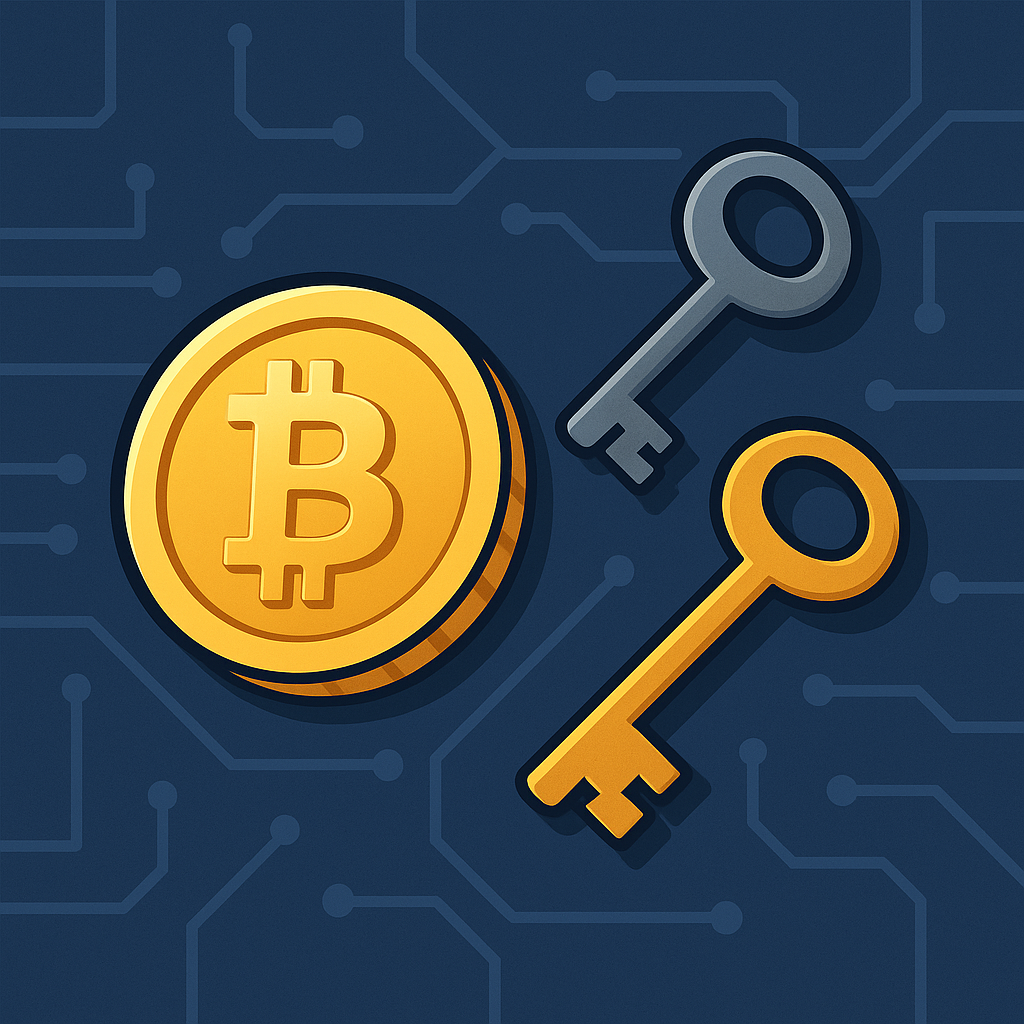
Private keys and public keys are fundamental components of asymmetric encryption, also known as public-key cryptography. Here's an overview of private keys, public keys, and their role in encryption:

Enhancing user experience (UX) and accessibility in cryptocurrency is crucial for promoting adoption and making blockchain technology more inclusive. Here are some ways to improve UX and accessibility in the crypto space:
Zero-confirmation transactions are fast but risky due to lack of confirmation by miners. Merchants can use strategies to mitigate security risks, like monitoring for double-spending attacks and using fraud protection services. Its important to balance speed with security measures to prevent potential fraud.
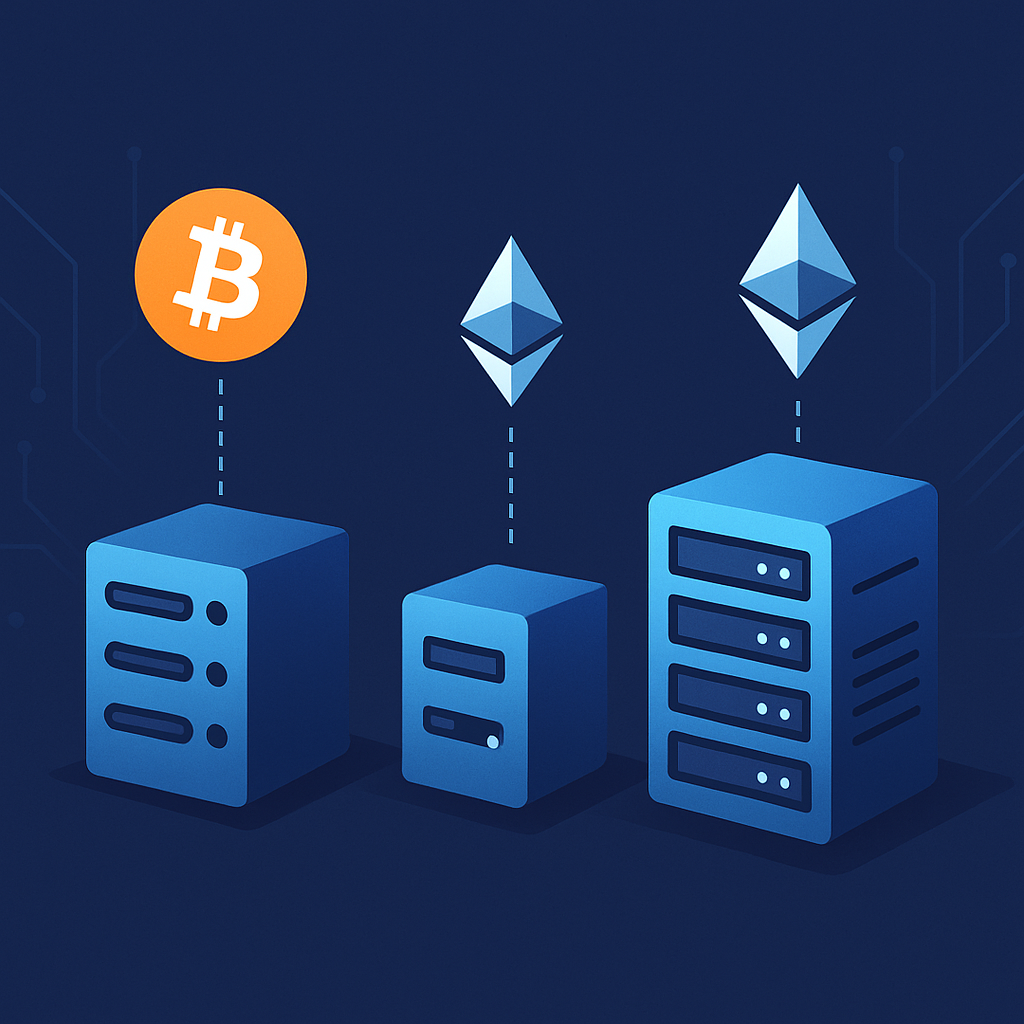
Node types play distinct roles in supporting and maintaining the operations of blockchain networks. Here's an overview of full nodes, light nodes, and masternodes, along with their respective functions:
Unspent Transaction Outputs (UTXOs) are a fundamental concept in blockchain technology, particularly in cryptocurrencies like Bitcoin. Here's an overview of UTXOs and their basics:

Decentralized exchanges (DEXs) are platforms that facilitate peer-to-peer trading of digital assets without the need for intermediaries or centralized authorities. DEXs operate on blockchain networks and enable users to trade cryptocurrencies directly with one another, maintaining control of their funds throughout the trading process. Here's an overview of decentralized exchanges:

Futures trading involves buying or selling contracts to purchase or sell an asset at a predetermined price on a future date. It's popular in financial markets for both hedging and speculative purposes. Here are the benefits and risks associated with futures trading:

Patents play a significant role in the field of cryptocurrency and blockchain technology, providing protection for innovative ideas, inventions, and technological advancements. Here's an overview of patents in the context of innovation and intellectual property (IP) in the crypto space:
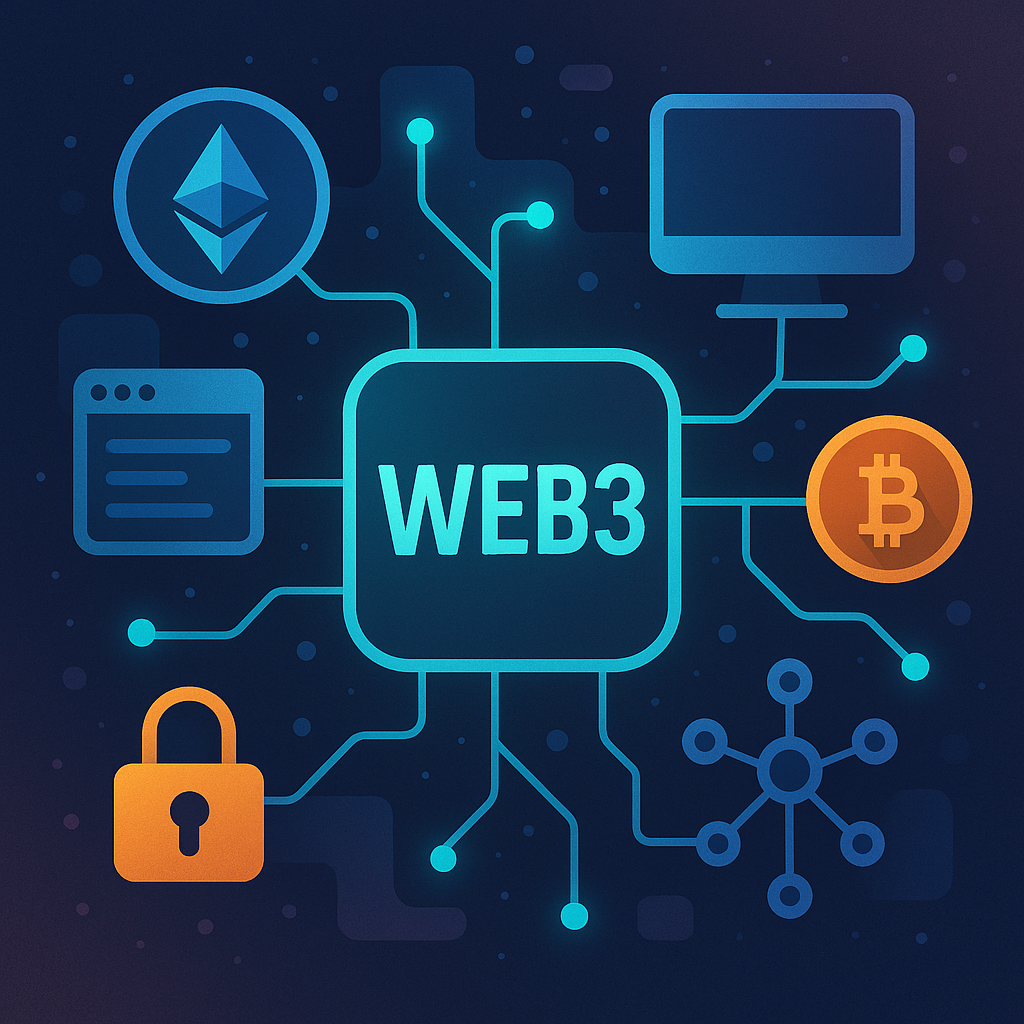
Web3 represents the vision of a decentralized and user-centric internet where individuals have greater control over their data, identity, and online interactions.
Privacy coins are a subset of cryptocurrencies designed to enhance transaction confidentiality, anonymity, and fungibility by employing cryptographic techniques and privacy-enhancing protocols. Here's an overview of privacy coins and how they enhance transaction confidentiality:
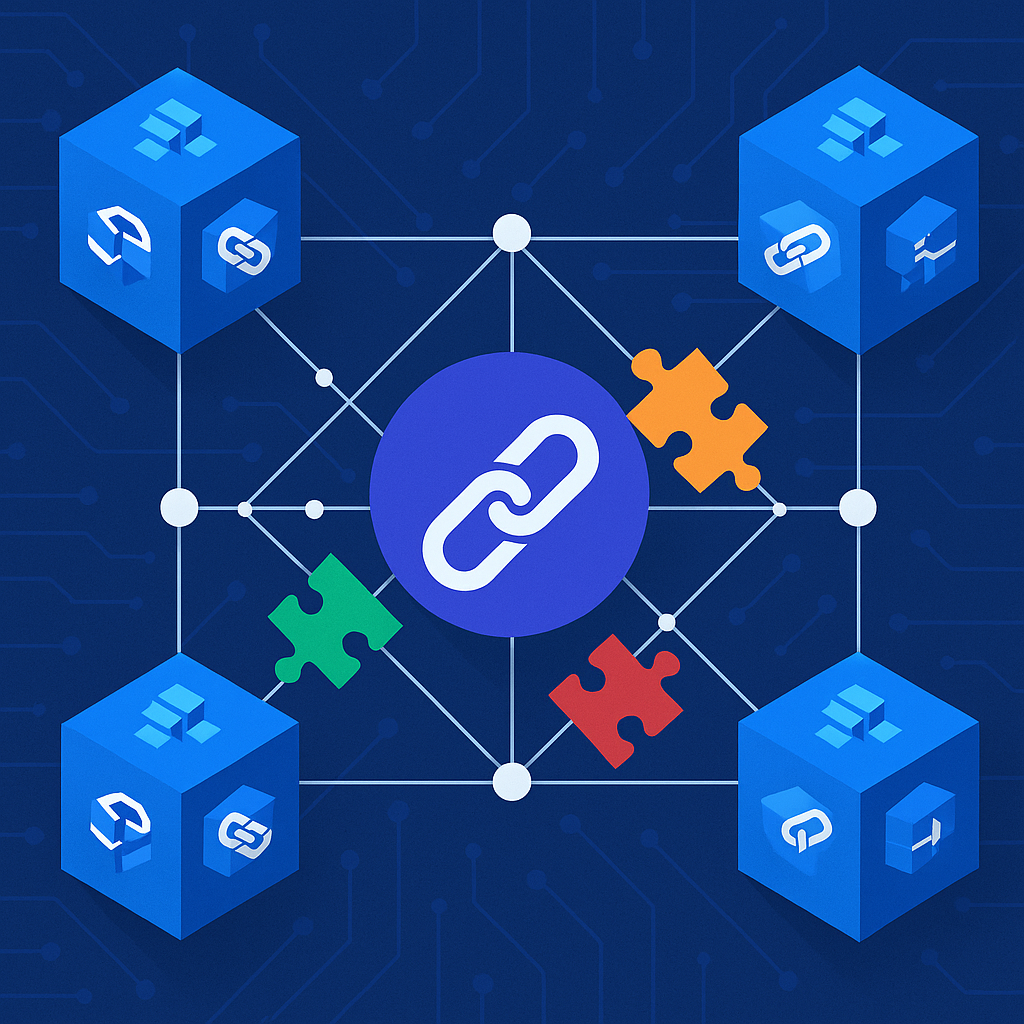
Blockchain interoperability refers to the ability of different blockchain networks to communicate, share data, and interact seamlessly with one another. As the number of blockchain platforms increases, interoperability becomes crucial for leveraging the full potential of decentralized technologies. Interoperable blockchains can enable more efficient transactions, enhance collaboration, and expand the utility of blockchain applications across diverse ecosystems.
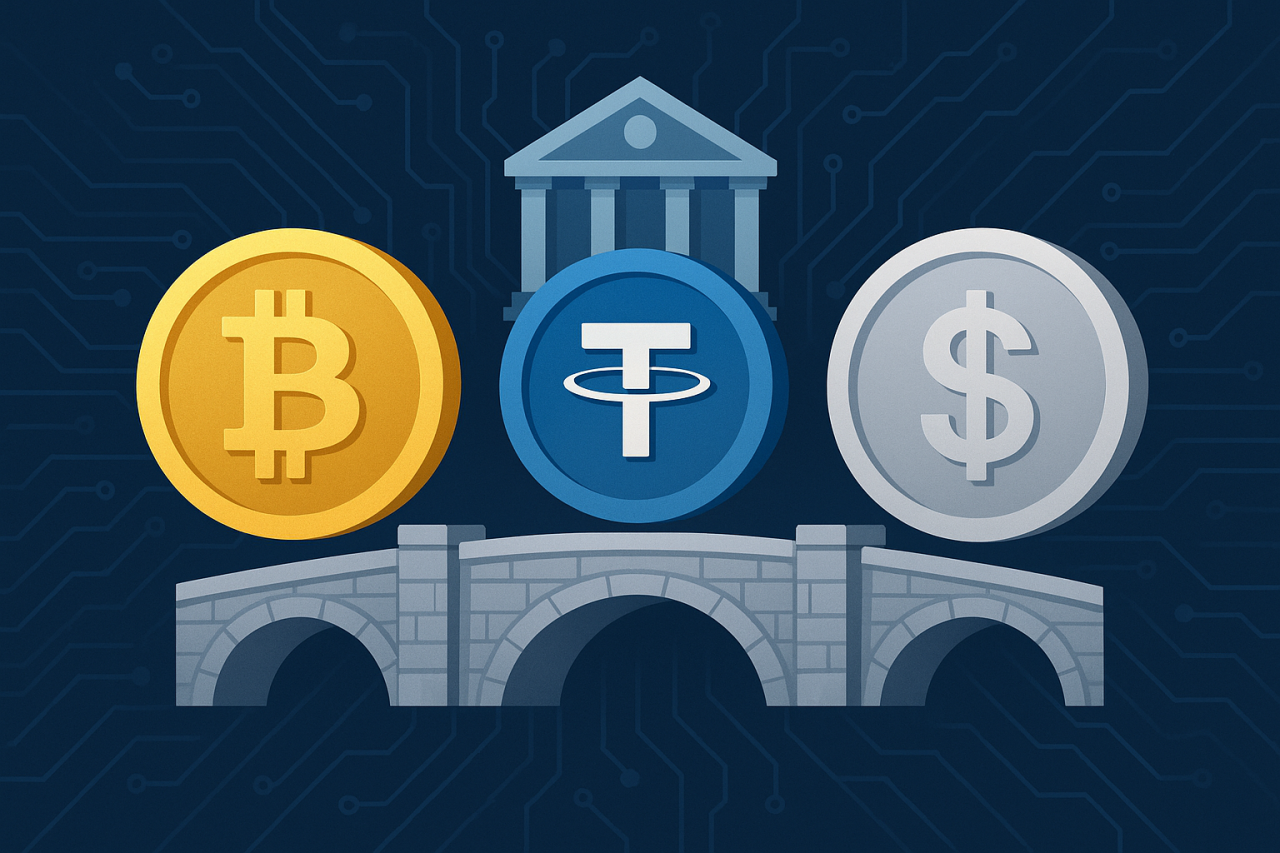
Stablecoins are a type of cryptocurrency designed to maintain a stable value by pegging their price to a fiat currency, commodity, or algorithmic mechanism. They serve as a bridge between the volatile world of cryptocurrencies and the stability of traditional fiat currencies. Here's an overview of stablecoins and their role in bridging crypto and fiat:
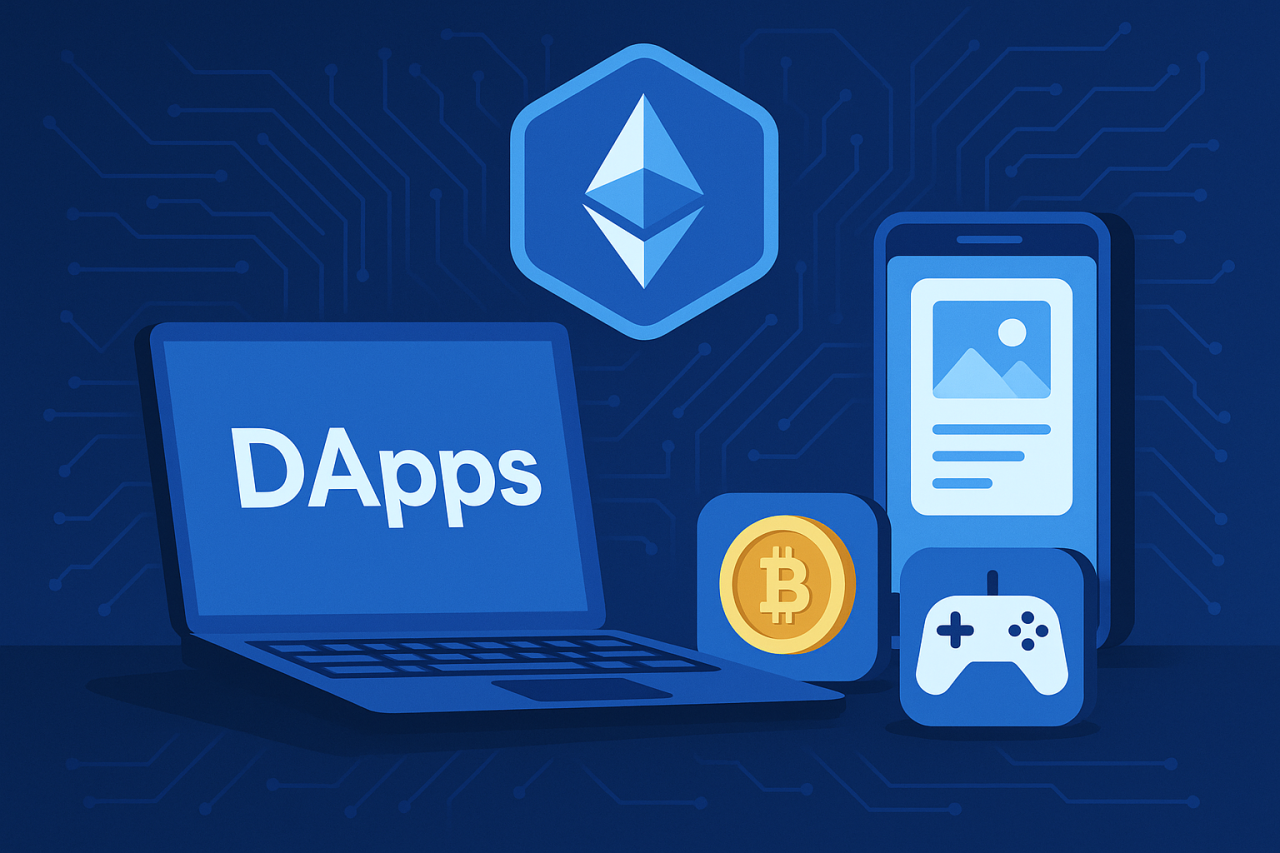
Decentralized applications (DApps) are software applications that run on decentralized networks or blockchain platforms, rather than centralized servers. DApps offer several advantages over traditional centralized applications, including transparency, censorship resistance, security, and immutability. Here are some common use cases and considerations for DApp development:

An Initial Coin Offering (ICO) is a fundraising method used by cryptocurrency projects to raise capital by issuing digital tokens to investors in exchange for cryptocurrency, typically Bitcoin (BTC) or Ethereum (ETH). ICOs gained popularity during the cryptocurrency boom of 2017 but have since evolved and faced regulatory scrutiny in many jurisdictions. Here's a guide to understanding ICOs:
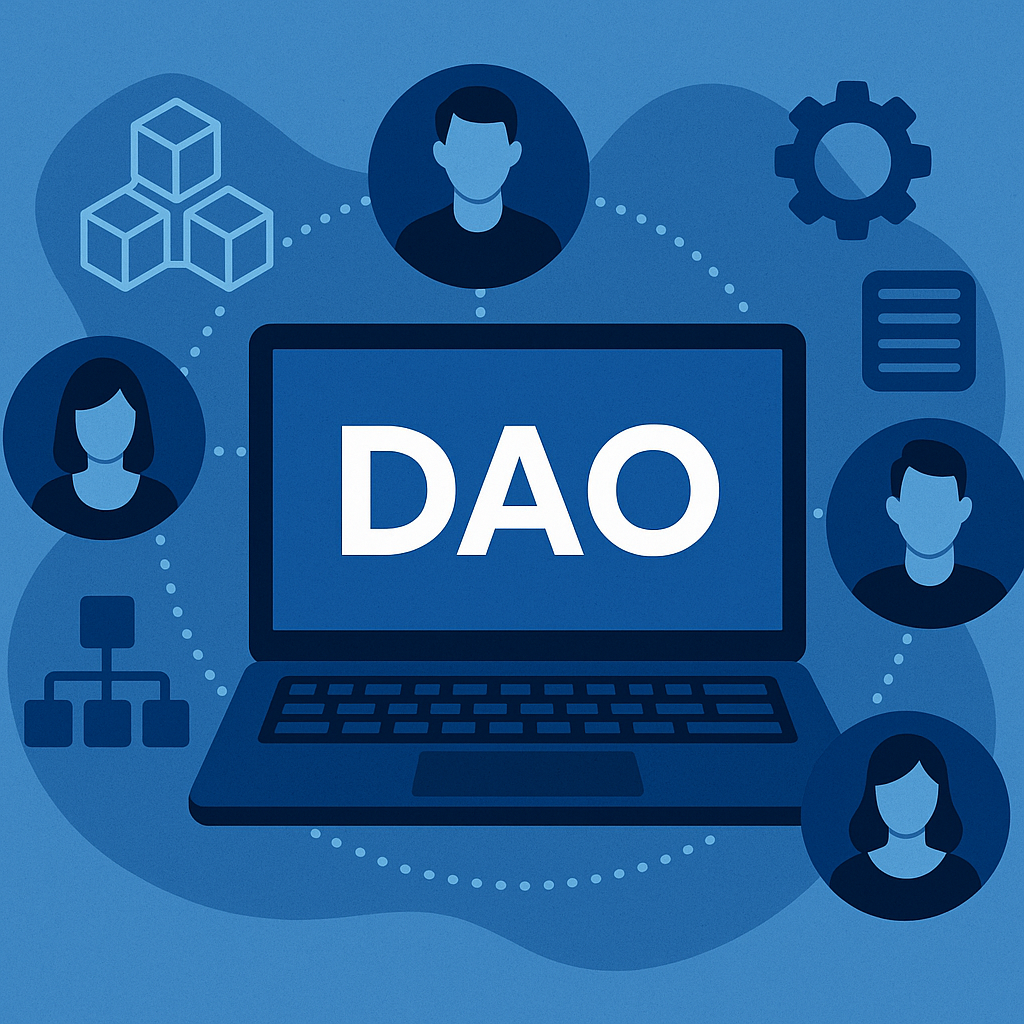
Decentralized Autonomous Organizations (DAOs) are a type of organization that operates through smart contracts and is governed by its members, who collectively make decisions about the organization's direction and activities. DAOs leverage blockchain technology to create transparent, decentralized, and self-governing entities without the need for centralized control or intermediaries. Here's an overview of DAOs: